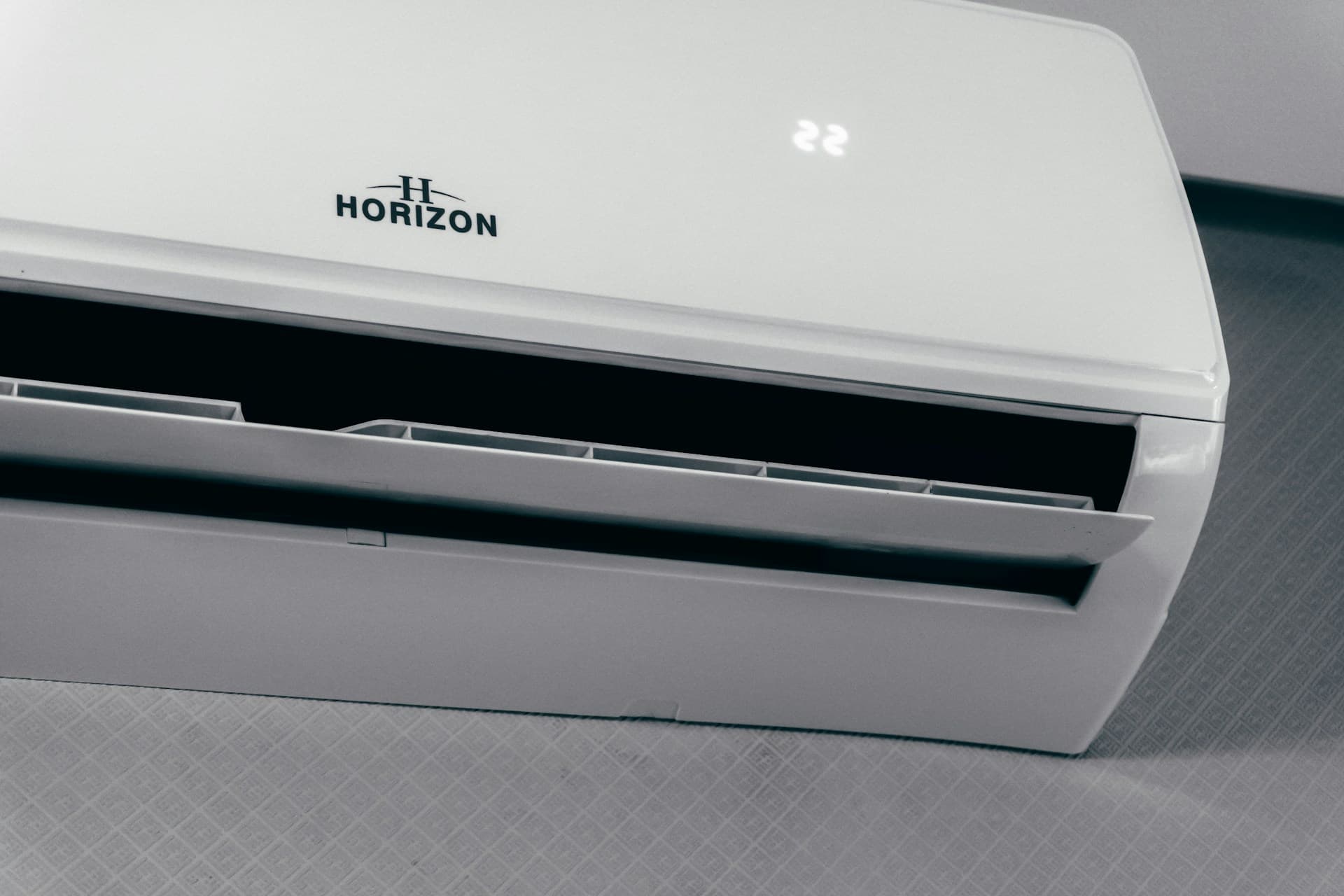
Split System Air Conditioning & Heat Pump Installation
Installation of split system air conditioning units and heat pumps including indoor unit mounting, outdoor condenser placement, refrigerant line connection, electrical work, vacuum testing, charging, and commissioning. Pre-filled hazards, controls, and risk ratings.
An air-con installer carries an electrical licence and an ARCtick refrigerant handling licence — and the second one is what determines what they can legally touch on a residential split. Without a current ARC licence, decanting, charging or topping up refrigerant is a strict-liability offence under the federal regulations, and small operators that try to "just install and charge" without it find out at audit. The licence type matters too: a basic split-system ticket covers single-head installs below 18kW only, and a single-head pro doing a multi-head VRF system is operating outside scope.
R32 refrigerant is the second risk column that didn't exist a decade ago. Classified A2L (mildly flammable), R32 has a flammable concentration range in air, and brazing or hot work near a charge introduces an ignition risk that R410A didn't. Nitrogen purging the system before any brazing, leak detection before charging, and an electronic refrigerant leak detector kept on the work bench are the practical controls — plus, in plant rooms or confined spaces, an oxygen monitor against the displacement risk if a refrigerant line fails. AS/NZS 5149 covers the design and operating requirements for refrigerating systems and heat pumps.
The roof and switchboard side carries the rest of the risk. Queensland's 1 January 2025 domestic roof-space de-energisation rule requires the entire roof-space circuit isolated before entry, not just the lighting circuit; Western Australia mandates the same upstream isolation following an installer fatality. AS/NZS 3000:2018 covers the wiring side; AS/NZS 4836:2023 covers the safe-working procedures on or near the LV connection. Fall arrest to AS/NZS 1891.1 for the outdoor unit on a roof; cavity heat stress under SafeWork Australia working-in-heat guidance for the indoor side. ARC licence, electrical licence, Working at Heights under RIIWHS204E and a White Card are the operator baseline. Vacuum to spec, leak-test pre-charge, isolate before cavity entry — three checks the day pivots on.
What's In Your SWMS
8 Hazards & Controls
Asphyxiation from oxygen displacement in enclosed spaces, frostbite/cold burns from liquid refrigerant contact, cardiac arrhythmia, toxic hydrogen fluoride exposure if refrigerant contacts flames
Not practicable - refrigerant handling essential for AC installation
Use lower-GWP refrigerants where equipment permits (R32 preferred over R410A)
Ensure adequate ventilation in work area, do not work in confined spaces without atmospheric monitoring
- Use low-loss hose fittings to minimise refrigerant release during connection/disconnection
- Ensure all joints are properly flared and torqued to manufacturer specifications
- Nitrogen purge lines during brazing to prevent refrigerant decomposition
- Only ARCtick licensed technicians to handle refrigerant
- Never vent refrigerant to atmosphere (federal offence)
- Check cylinder pressure and condition before use
- Work in well-ventilated areas only
- Buddy system when working with refrigerants
Safety glasses with splash protection, nitrile/neoprene gloves, long sleeves. P2 respirator available for emergency use.
16-Step Work Procedure
Equipment & PPE
Equipment (12)
- Vacuum pump (R32 compatible)
2-stage recommended, minimum 45 L/min flow rate, must achieve 500 microns (65 Pa) or below
- Manifold gauge set
Refrigerant-specific (R32/R410A), digital preferred for accuracy, low-loss fittings
- Digital vacuum gauge (micron gauge)
Pirani or thermocouple type, micron-level accuracy for leak verification
- Electronic refrigerant leak detector
Heated diode or infrared type, calibrated for refrigerant in use, sensitivity <5g/year
- Nitrogen purging and pressure test kit
Dry nitrogen cylinder, regulator rated to 400 PSI, flow restrictor for purging during brazing
- Brazing torch and equipment
Oxy-acetylene or MAP-Pro gas, fire blanket, appropriate filler rods (15% silver minimum for refrigeration)
- Flaring tool kit
Eccentric or ratchet-type flare tool, 45-degree flare, tube cutter, deburring tool
- Refrigerant weighing scales
Electronic, minimum accuracy ±10g, calibrated
- Digital multimeter
CAT III or CAT IV rated, true RMS for inverter equipment testing
- Core drill or hole saw kit
65-75mm diameter for wall penetration, dust extraction recommended
- Industrial rated ladder
Fibreglass for electrical safety, minimum 150kg Industrial rating, compliant with AS/NZS 1892, inspect before each use
- Fire extinguisher
Dry chemical or CO2 type, minimum 2kg capacity, for brazing operations
PPE (8)
- Safety glasses/gogglesAS/NZS 1337.1
Medium impact rating, chemical splash resistance for refrigerant handling
- Chemical-resistant glovesAS/NZS 2161.1
Nitrile or neoprene for refrigerant handling, protects against cold burns from liquid refrigerant
- Leather work glovesAS/NZS 2161.1
For manual handling, mounting brackets, handling sheet metal edges, and general protection during installation
- Safety footwear (EH rated)AS/NZS 2210.3
Electrical Hazard (EH) rated, steel/composite toe, anti-slip soles, lace-up style for electrical work
- Safety helmetAS/NZS 1801
Type 1 minimum, non-conductive for electrical work, date of manufacture recorded
- Hearing protectionAS/NZS 1270
Class 3-5 for drilling and core cutting operations exceeding 85 dB(A)
- P2 particulate respiratorAS/NZS 1716
For ceiling cavity work and drilling operations, dispose after each use
- High-visibility clothingAS/NZS 4602.1
Day/night class for construction sites, fluorescent with retroreflective tape
Training & Emergency
Competency Requirements
- Construction Induction (White Card)training
CPCCWHS1001 - Required for all workers on construction sites. Nationally recognised. VICTORIA: Must be completed face-to-face only (online not accepted since 1 Jan 2023). Minimum 6-hour course duration.
- ARCtick Refrigerant Handling Licencelicence
Full licence (RAC01) or Restricted Split System licence (RSS03). RSS03 limited to single-head splits <18kW - cannot service, repair, or add refrigerant post-install. National scheme - verify at lookforthetick.com.au
- State Electrical Licencelicence
State-specific requirements: NSW - Electrical Licence + CCEW; VIC - A-Grade or REL + COES + VBA Mechanical Services; QLD - REWL (limited scope, no installation wiring); WA - REL (up to 4kW fixed cable); SA - Electrical Licence + eCoC; TAS - Restricted Electrical Licence + CEC to TechSafe; NT - REL with AC endorsement; ACT - Restricted Electricians Licence. NOTE: QLD and WA electrical licensing NOT in AMR scheme.
- Working at Heights
RIIWHS204E - Required for work at heights ≥2 metres where fall risk exists. SA NOTE: Currently 3m threshold until 1 July 2026, then aligns to 2m. Industry standard recommends 2-year revalidation.
- First Aid Certificate
HLTAID011 or equivalent. Recommended that at least one worker on site holds current certificate (valid 3 years).
- Confined Space Entry
RIIWHS202E - Required if ceiling cavity or plant room work constitutes confined space entry under risk assessment.
- EWP Operator Licence
WP class High Risk Work Licence required if using boom-type EWP (over 11m). Not required for scissor lifts under 11m.
- VBA Mechanical Services Registration (VIC only)
VICTORIA ONLY: VBA registration required for mechanical services work including condensate drainage installation. Compliance certificate required for work ≥$750. Verify at VBA portal.
- Asbestos Awareness Training (ACT mandatory)
ACT ONLY: 11084NAT (Asbestos Awareness) mandatory for ALL construction workers. 11348NAT (Working Safely with ACM) mandatory for AC/refrigeration trades. Training pre-2008 not accepted. Check Mr Fluffy register before ceiling work.
Emergency Procedures
REFRIGERANT LEAK: Evacuate area immediately, do not assess severity first. Turn off HVAC system. Move to fresh air (refrigerant is heavier than air). Ventilate area by opening windows/doors. No naked flames. Call 000 if large leak or anyone affected.
REFRIGERANT INHALATION: Move person to fresh air immediately. Keep warm and at rest. If not breathing, commence CPR but DO NOT give mouth-to-mouth if refrigerant on face - use bag valve mask. DO NOT administer adrenaline (cardiac arrhythmia risk). Seek immediate medical attention.
REFRIGERANT SKIN CONTACT (frostbite): Remove contaminated clothing unless stuck to skin. Flush affected area with lukewarm water (NOT hot). Do not rub affected area. Cover with sterile dressing. Seek medical attention.
REFRIGERANT EYE CONTACT: Flush eyes immediately with clean water for at least 15 minutes. Hold eyelids open. Seek immediate medical attention.
ELECTRIC SHOCK: DO NOT touch victim if still in contact with power. Disconnect power at source or use non-conductive material to separate. Call 000 immediately. If safe, commence DRSABCD. Use AED if available. All electrical burns require medical assessment.
FALL FROM HEIGHT: Call 000 immediately. Do not move casualty unless in immediate danger. If suspended in harness, rescue within 5 minutes (suspension trauma). Loosen harness once on ground. Monitor breathing and circulation.
HEAT EXHAUSTION: Move person to cool area. Remove excess clothing. Give cool water to drink. Apply cool compresses to skin. If symptoms worsen or person becomes confused, call 000 (possible heat stroke).
HEAT STROKE (CALL 000): Move to cool area. Remove clothing. Immerse in cold water bath if available, otherwise apply ice packs to neck, armpits, groin. Fan vigorously. This is a medical emergency.
Everything above, included in your SWMS document.
Get This TemplateWriting a SWMS from scratch?
That's 2-4 hours of research, formatting, and cross-referencing regulations.
We've done the starting work — pick your template, add your details, review.
Or just do this:
- Unlimited documents
- All 70+ templates
- Instant PDF & DOCX
- Cancel anytime
High-Risk Construction Work Categories
Under Australian WHS Regulations (Section 291 - Duty to prepare SWMS for high-risk construction work), this work is classified as high-risk due to:
- Work at height (>2m) with risk of fall (Outdoor unit wall mounting, rooftop condenser installation, indoor unit mounting on high walls, ladder work for refrigerant line runs)
- Work in confined spaces (Ceiling cavity access for refrigerant lines and drainage, roof spaces with restricted access and potential atmospheric hazards)
- Work in artificial extremes of temperature (Roof cavities exceeding 50°C in summer months, plant rooms with operating refrigeration equipment)
- Work on/near chemical, fuel or refrigerant lines (Handling fluorocarbon refrigerants (R32, R410A), pressurised refrigerant systems, brazing with flammable gases)
- Work on/near energised electrical installations (Electrical connection at switchboard, isolator installation, inter-unit wiring, working near existing electrical services)
- Work on/near pressurised gas mains or piping (Nitrogen pressure testing, refrigerant charging, handling pressurised refrigerant cylinders)
Australian Standards Referenced
National Guidance Documents
- Safe Work Australia - Model Code of Practice: Managing electrical risks in the workplace
- Safe Work Australia - Model Code of Practice: Managing the risk of falls at workplaces
- Safe Work Australia - Model Code of Practice: Confined spaces
- ARCtick - Australia and New Zealand Refrigerant Handling Code of Practice (current version)
Who Needs This SWMS?
This template is designed for the following trades and roles performing split system air conditioning & heat pump installation work.
Frequently Asked Questions
What qualifications are needed to install air conditioning in Australia?
AC installation requires two primary qualifications: an ARCtick Refrigerant Handling Licence (either full RAC01 or restricted RSS03 for single-head splits under 18kW), and appropriate state electrical credentials. Electrical licence requirements vary by state - VIC requires A-Grade or REL plus VBA Mechanical Services registration, QLD requires REWL (with limited scope), WA/SA allow REL holders to install fixed cables up to 4kW. A White Card is required for construction sites (face-to-face only in Victoria), and Working at Heights certification is needed for installations above 2 metres (3m in SA until July 2026).
Do I need an SWMS for every air conditioning installation?
An SWMS is legally required when the AC installation involves high-risk construction work as defined in WHS Regulations Section 291. This includes: work at heights above 2 metres (wall-mounted outdoor units, roof installations), work on or near energised electrical installations, work in confined spaces (ceiling cavities), or work on refrigerant lines. Most split system installations will trigger at least one of these categories. Note: SA currently uses a 3m fall threshold but will align to 2m from 1 July 2026.
What is the difference between RAC01 and RSS03 ARCtick licences?
RAC01 is the full Refrigeration and Air Conditioning licence allowing installation, service, maintenance, and repair of any refrigeration/AC system. RSS03 is a restricted licence only permitting installation and decommissioning of single-head split systems under 18kW. Critically, RSS03 holders cannot service, repair, maintain, or add refrigerant to a system after the initial installation - they must refer this work to a RAC01 licence holder. This is a national scheme administered by ARCtick.
Can interstate licence holders work in other states?
Automatic Mutual Recognition (AMR) allows many licence holders to work interstate automatically, but there are critical exceptions: Queensland has NOT joined the AMR scheme - interstate workers must apply through traditional Mutual Recognition. Western Australia has exempted electrical licensing from AMR until 2027 - electricians must apply separately. Victoria requires face-to-face White Card training only (interstate online cards not accepted). ACT has exempted construction licences from AMR until July 2027. Always verify requirements with the destination state regulator before commencing work.
What electrical compliance certificates are required in each state?
Each state has different electrical compliance certificate requirements: NSW requires CCEW within 7 days; VIC requires COES (Certificate of Electrical Safety) plus VBA Compliance Certificate for mechanical services ≥$750; QLD requires Certificate of Testing and Compliance; WA requires Electrical Safety Certificate; SA requires eCoC (electronic Certificate of Compliance) before energisation; TAS requires CEC notification to TechSafe within 3 days; NT requires Certificate of Compliance (hard copy only for AMR workers); ACT follows similar requirements to NSW.
What are the special requirements for working in the ACT?
The ACT has unique requirements due to the "Mr Fluffy" loose-fill asbestos legacy. Before ANY ceiling, wall cavity, or subfloor work, you MUST check the Affected Properties Register at loosefillasbestos.act.gov.au. Additionally, ACT mandates specific asbestos training: 11084NAT (Asbestos Awareness) for ALL construction workers and 11348NAT (Working Safely with ACM) for AC/refrigeration trades. Training from before January 2008 is not accepted. Do NOT penetrate cavities without a Class A asbestos assessor if the property is affected.
What are the penalties for unlicensed refrigerant work?
Under the Ozone Protection and Synthetic Greenhouse Gas Management Act, handling refrigerant without an ARCtick licence attracts penalties up to $3,300 for individuals. Unlawfully venting refrigerant to atmosphere carries penalties up to $66,600 for individuals or $333,000 for corporations. Penalties were increased under 2024 amendments from 10 to 50 penalty units. Additionally, unlicensed work may void equipment warranties and insurance coverage. State electrical regulators can also impose penalties for unlicensed electrical work.
Are there special requirements for working in WA roof spaces?
Yes. Western Australia has a mandatory requirement that mains power must be switched OFF before ANY worker enters the roof space of residential buildings (Class 1, 2 or 10a). This applies to ALL workers, not just electricians. This requirement was implemented following a fatal electrocution of an AC installer in 2020. Always isolate power at the main switchboard and verify isolation before roof space entry in WA.
Get Your Split System Air Conditioning & Heat Pump Installation SWMS
Pre-filled. Risk-rated. Ready in 5 minutes.
Get Your SWMS PDFNo credit card required. First SWMS is free.
