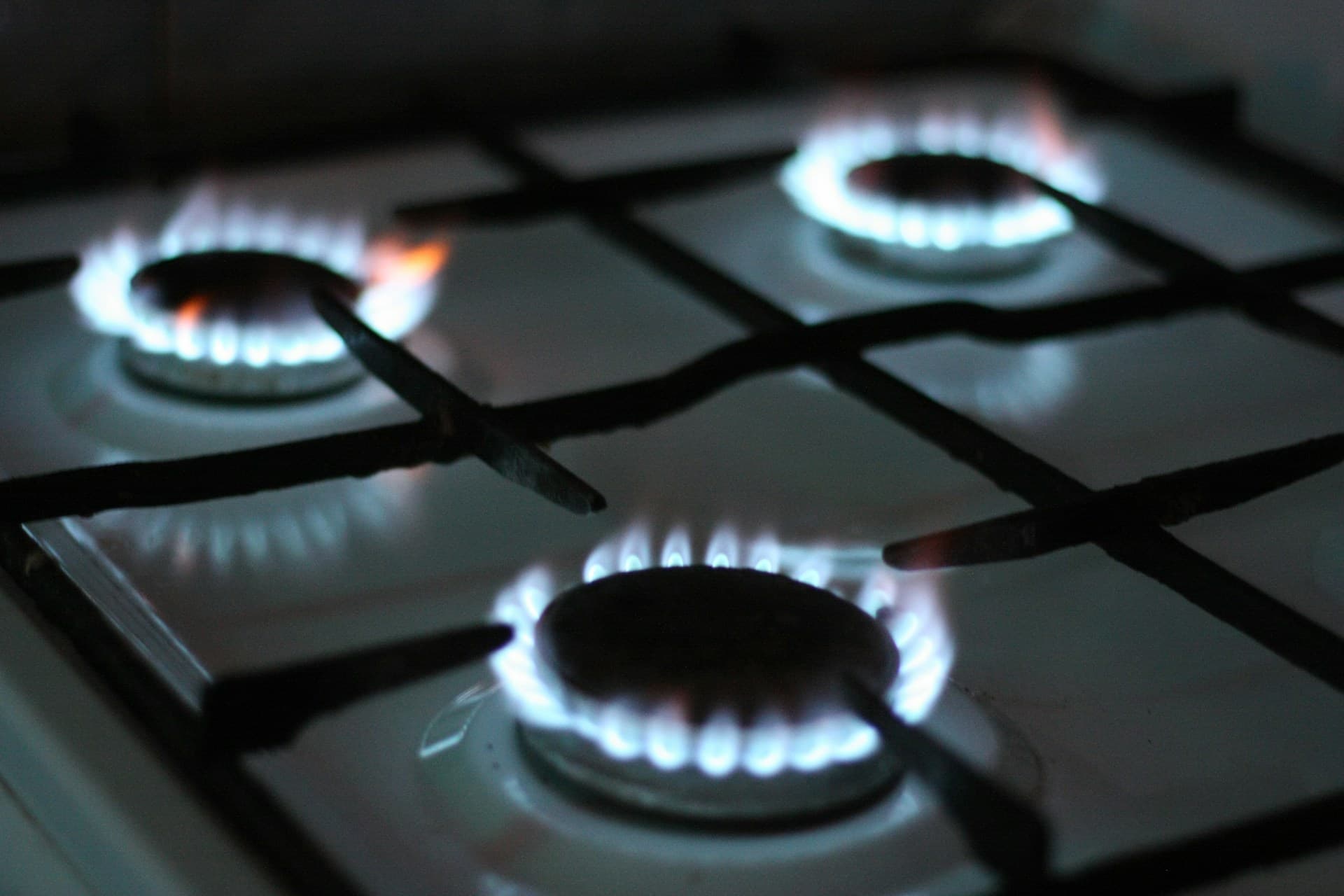
Gas Fitting (General)
Installation, modification, and servicing of gas piping systems and appliances including natural gas and LPG. Covers consumer piping, appliance connection, leak testing, purging, and commissioning in accordance with AS/NZS 5601. Pre-filled hazards, controls, and risk ratings.
Two endorsements determine what a gas fitter is legally allowed to touch, and the wrong one is the most common compliance miss in the trade. Type A and Type B appliances split along domestic-and-light-commercial versus industrial-and-complex lines, with a regulator threshold that varies by jurisdiction. A plumber holding only Type A walking onto a commercial kitchen running a bank of high-capacity appliances is operating outside their authorisation. That endorsement check belongs at the top of the document, before the first fitting comes off the ute.
The hazard hierarchy on gas work runs explosion → asphyxiation → CO poisoning → burns, and the controls flip depending on whether the fuel is natural gas or LPG. Natural gas is lighter than air; it rises and dissipates through ceiling vents. LPG is heavier; it pools in basements, plant pits and beneath appliances, so a leak hunt that starts at head height misses the accumulation. Purging an installation displaces oxygen — asphyxiation events in plant rooms come from operators standing in the discharge zone without forced ventilation. Carbon monoxide is colourless, odourless and binds to haemoglobin 240 times more strongly than oxygen, so an appliance can be killing the occupants while it appears to run fine; combustion analyser readings on commissioning, with a flue spillage check, are the audit-grade evidence that the burn is clean.
Controls trace back to AS/NZS 5601.1:2022 for general installations, AS/NZS 1596:2014 for LP gas storage and handling, and AS 4575:2019 for the servicing of Type A appliances. Manual handling shows up more than people expect — a 45kg LPG cylinder full weighs around 80kg, and trolley plus secured storage is what supersedes a single carry. Brazing and oxy-acetylene work runs at roughly 3,100°C; in confined plant rooms or near combustibles, fire-extinguisher selection has to match the actual ignition source, not whichever extinguisher came with the ute. State gas fitting licensing, Type A or B endorsement and LPG endorsement where relevant are the operator baseline; confined space entry under RIIWHS202E gets called in for plant rooms and meter pits more often than gas fitters expect.
What's In Your SWMS
7 Hazards & Controls
Death, severe burns, traumatic injuries from blast, property destruction
Isolate gas supply at meter before commencing any work on gas system
Ensure adequate ventilation in work area - open windows and doors, use forced ventilation if required
- Use approved gas fittings and materials compliant with AS/NZS 5601.1
- Pressure test all new pipework before commissioning (test pressure per AS 5601)
- Install isolation valves within 500mm of each appliance
- Ensure all joints are accessible for testing
- Test all joints with leak detection fluid or electronic gas detector before leaving site
- Purge new pipework of air before ignition - vent to safe external location
- No smoking or ignition sources within 3m of gas work
- Do not use naked flames to test for leaks
- Complete gas tightness test as per AS/NZS 5601.1 Appendix H
Safety glasses, natural fibre clothing (no synthetics), no jewellery that could cause sparks
20-Step Work Procedure
Equipment & PPE
Equipment (11)
- Pipe wrenches and adjustable spanners
Various sizes for gas fittings (15mm, 20mm, 25mm)
- Combustible gas detector (electronic)
Calibrated for natural gas/LPG detection, or soapy water solution
- Manometer or digital pressure gauge
For pressure testing and standing pressure test (min 0-10kPa range)
- Thread sealant tape (gas-rated yellow PTFE) or pipe dope
Must be approved for gas use - yellow tape for gas, not white plumbing tape
- Pipe cutter (copper/steel)
Appropriate for pipe material being installed
- Gas isolation tools (meter key, valve key)
For isolating supply at meter or main isolation valve
- Purging equipment and fittings
For safely purging air from new pipework before commissioning
- Combustion analyser (flue gas analyser)
For commissioning and testing appliance combustion efficiency and CO levels
- Appliance installation manuals
Manufacturer instructions for any appliances being installed
- Fire extinguisher (dry chemical powder)
Minimum 2kg ABE type, within 3m of work area
- First aid kit with burn treatment
Include burn gel and sterile dressings
PPE (4)
- Safety glassesAS/NZS 1337.1:2010
Clear lens for indoor work, side shields recommended
- Work glovesAS/NZS 2161.1:2016
Leather or cotton - no synthetic materials that generate static
- Safety bootsAS 2210.3:2019
Steel cap, no steel sole plates (spark risk)
- Natural fibre clothing (cotton)
Avoid synthetic materials - static discharge can ignite gas
Training & Emergency
Competency Requirements
- Gas Fitting Licence (state-issued)licence
Required for all gas fitting work. Must be current and valid in the state where work is performed.
- Construction Induction Card (White Card)training
Required when working on construction sites
- Type A Gas Fitting Endorsement
Required for consumer piping and Type A appliances (most residential/commercial work)
- Type B Gas Fitting Endorsement
Required for Type B appliances (industrial, commercial cooking, large capacity)
- LPG Endorsement/Authorisation
May be required in some states for LPG cylinder installations
- Confined Space Entry Training
Required if work involves confined space entry (meter boxes, ceiling spaces)
- Working at Heights Training (RIIWHS204E)
Required for roof-mounted appliances or flue installation at heights >2m
- First Aid Certificate
Recommended - includes burn treatment
Emergency Procedures
GAS LEAK (minor): Isolate gas at meter, ventilate area (open windows/doors), do not operate electrical switches. Test with detector to confirm leak stopped. Repair and retest before restoring supply.
GAS LEAK (major/uncontrolled): Evacuate all persons immediately. Do not operate any electrical switches or create sparks. Call your local gas distributor emergency line from outside the building, or 000. State gas emergency lines vary — examples: NSW/VIC/SA/QLD via Australian Gas Networks 1800 GAS LEAK (1800 427 532); WA via ATCO 13 13 52; TAS via Tas Gas Networks 1802 111; ACT via Evoenergy 131 909; NT via Power and Water 1800 245 090. Refer to state guidance for the correct number for the work location. Do not re-enter until cleared by emergency services.
GAS FIRE: Do not attempt to extinguish gas-fed fire without first isolating gas supply. If supply can be isolated safely, do so then extinguish fire with dry chemical extinguisher. If supply cannot be isolated, evacuate and call 000.
CARBON MONOXIDE SUSPECTED: If symptoms present (headache, nausea, confusion), evacuate all persons to fresh air immediately. Ventilate building. Do not re-enter. Call 000 if anyone is unwell. Do not use appliance until inspected by licensed gas fitter.
ASPHYXIATION/COLLAPSE: Do not enter area if oxygen-depleted atmosphere suspected. Call 000. Rescue only if safe to do so without entering contaminated atmosphere. Commence CPR if not breathing.
Everything above, included in your SWMS document.
Get This TemplateWriting a SWMS from scratch?
That's 2-4 hours of research, formatting, and cross-referencing regulations.
We've done the starting work — pick your template, add your details, review.
Or just do this:
- Unlimited documents
- All 70+ templates
- Instant PDF & DOCX
- Cancel anytime
High-Risk Construction Work Categories
Under Australian WHS Regulations (291 - High Risk Construction Work (pressurised gas)), this work is classified as high-risk due to:
- Work on/near pressurised gas mains or piping (Primary hazard - all gas fitting work involves pressurised gas systems (typically 2.75kPa natural gas, 2.75kPa LPG vapour))
- Work in area with contaminated/flammable atmosphere (Risk of flammable gas accumulation during installation, testing, or leak repair)
- Work in confined spaces (Gas meter boxes, ceiling spaces, and service ducts may constitute confined spaces)
- Work at height (>2m) with risk of fall (Roof-mounted appliances, external flue installation, ceiling space access)
Australian Standards Referenced
Who Needs This SWMS?
This template is designed for the following trades and roles performing gas fitting (general) work.
Frequently Asked Questions
Do I need a SWMS for gas fitting work?
Yes, gas fitting work is classified as high-risk construction work under WHS Regulation 2017 because it involves work on pressurised gas systems. A SWMS must be prepared before work commences and must identify hazards, assess risks, and document control measures.
What licence is required for gas fitting in Australia?
A state-issued gas fitting licence is required. Requirements vary by state but generally include Type A endorsement for consumer piping and domestic appliances, and Type B endorsement for industrial/commercial appliances. LPG work may require additional endorsements in some states.
What is AS/NZS 5601 and why is it important?
AS/NZS 5601.1:2022 is the Australian/New Zealand Standard for gas installations. It specifies requirements for design, installation, and commissioning of gas systems. Compliance is mandatory in all Australian states and territories. The 2022 edition includes updates for multi-layer pipe fire safety, flame failure devices, and flue requirements.
What are the main hazards in gas fitting work?
Key hazards include gas leaks leading to explosion or fire, asphyxiation from oxygen displacement, carbon monoxide poisoning from faulty appliances, burns from flames and hot surfaces, and manual handling injuries from moving appliances and cylinders. Each hazard requires specific controls.
What testing is required after gas fitting work?
All new and modified gas installations must undergo pressure testing per AS/NZS 5601.1 Appendix H (standing pressure test), leak testing of all joints using detection fluid or electronic detector, and for flued appliances, combustion analysis to verify safe CO levels and proper flue operation.
What is a Certificate of Compliance and when is it required?
A Certificate of Compliance (CoC) is a legal document issued by a licensed gas fitter certifying that gas work complies with relevant standards. It is required for all gas fitting work in Australia and must be submitted to the gas distributor or relevant authority. Failure to issue a CoC is an offence.
What are the LPG cylinder positioning requirements?
LPG cylinders must comply with AS/NZS 1596 and AS/NZS 5601 for positioning. Key requirements include: upright position, secured to prevent falling, minimum clearances from openings/boundaries/ignition sources, protected from vehicle impact, and located for safe changeover access.
What emergency procedures should be followed for a gas leak?
For a major gas leak: Evacuate all persons immediately, do not operate electrical switches (sparks can ignite gas), do not use mobile phones in the affected area, call your local gas distributor emergency line or 000 from outside the building, and do not re-enter until cleared by emergency services. State emergency lines vary — Australian Gas Networks 1800 GAS LEAK (1800 427 532) covers NSW/VIC/SA/QLD; WA uses ATCO 13 13 52; TAS uses Tas Gas Networks 1802 111; ACT uses Evoenergy 131 909; NT uses Power and Water 1800 245 090.
Get Your Gas Fitting (General) SWMS
Pre-filled. Risk-rated. Ready in 5 minutes.
Get Your SWMS PDFNo credit card required. First SWMS is free.
