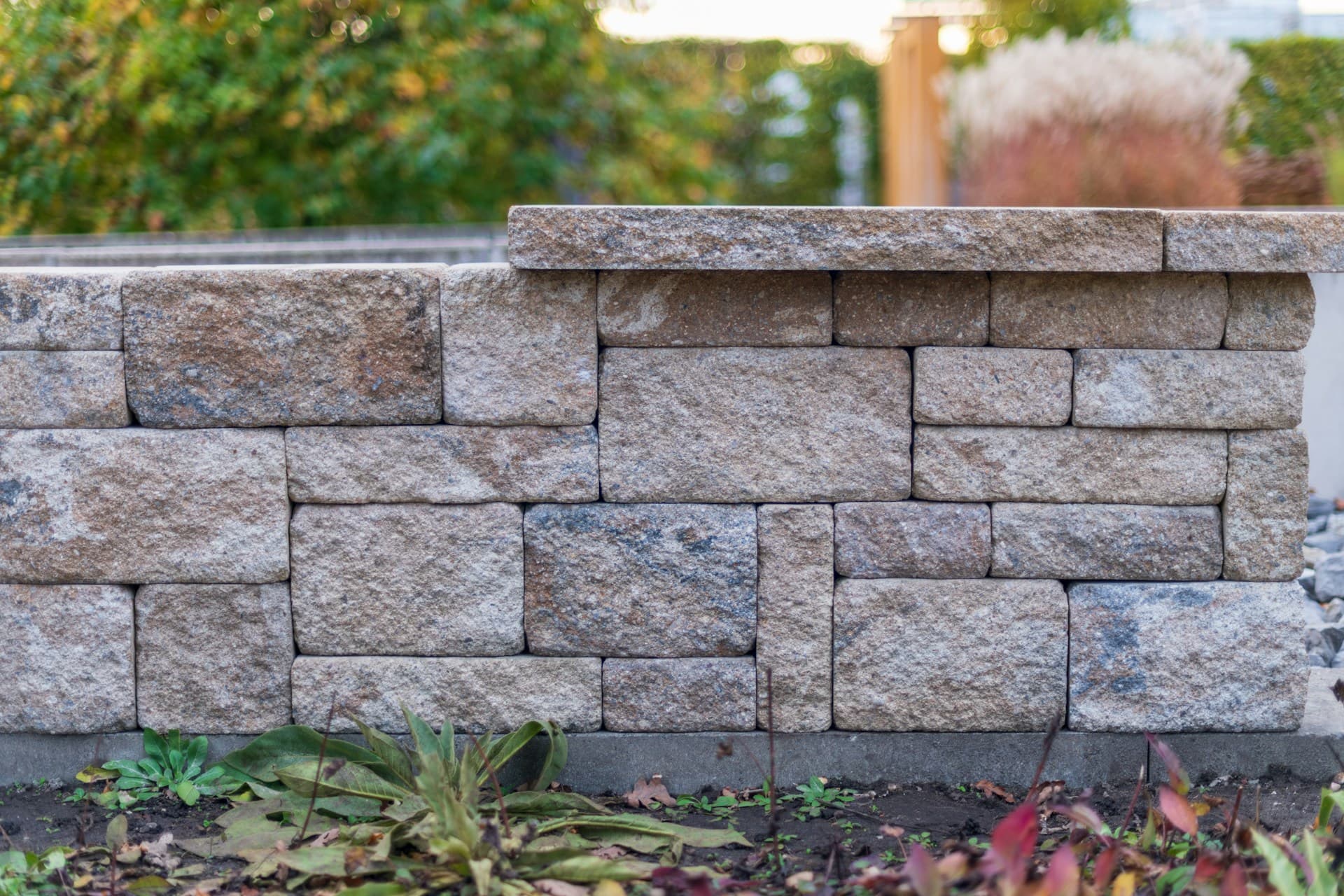
Retaining Wall Construction (Timber/Block)
Construction of timber sleeper and concrete block retaining walls including excavation for posts, installation of drainage systems, and assembly of wall components for landscaping projects. Pre-filled hazards, controls, and risk ratings.
A retaining wall above a metre in height is structural engineering work in Australia, not landscaping. AS 4678-2002 sets the design criteria for earth-retaining structures, and most state councils require an engineer's certificate plus a building permit for walls clearing the one-metre threshold. Landscapers building "just under a metre" to dodge engineering sign-off is a documented council enforcement target — and the wall that fails six months later because the back-fill drained nowhere is the homeowner's claim, the builder's fault and the insurer's headache.
Drainage is the single most-skipped step. An ag-pipe wrapped in geotextile sock, set on screened gravel behind the wall and feeding to a daylight outlet, prevents the hydrostatic pressure that takes a wall down within two to five wet seasons. Retaining walls without drainage fail predictably; the cost of the agg pipe is trivial compared to the rebuild. Backfill in lifts compacted to the pipe-installation guidance carries the second structural decision.
The construction-phase hazards are familiar. Post-hole excavation triggers the Model Code of Practice on Excavation Work and BYDA before any auger or shovel; sleepers in CCA-treated H4 to AS/NZS 1604.1:2021 need a P2 respirator during cutting and a licensed disposal pathway for the offcuts (burning is illegal). Concrete blocks at 15 to 25 kilos each, hundreds per job, dominate the trade's manual-handling claims; mechanical paver lifters or block carriers beat the bare-handed approach by 50. White Card, RIIMPO320F for excavator work, RIIMPO318F for bobcat, and a structural engineer for any wall above the threshold sit at the operator end. Drain it, design it, dig it carefully — the rebuild rate falls to near-zero.
What's In Your SWMS
10 Hazards & Controls
Crushing injuries, suffocation, death from burial under collapsed material
Use mechanical excavation methods to minimise time workers are near open excavations
Establish exclusion zones around excavations. Keep workers and public away from excavation edges.
- Install shoring or trench shields for excavations deeper than 1.5m
- Batter or bench excavation walls to stable angle based on soil type
- Install temporary edge protection around excavations
- Conduct soil assessment before excavation to determine stability
- Monitor soil conditions - cease work if ground becomes unstable after rain
- No workers in excavation while plant is operating nearby
- Keep excavated material at least 1m from excavation edge
Hard hat worn when working in or near excavations
14-Step Work Procedure
Equipment & PPE
Equipment (12)
- Mini excavator or excavator
For bulk excavation and post hole digging. Operator must be licensed.
- Post hole auger (handheld or excavator mounted)
For drilling post holes in steel post retaining systems
- Circular saw
For cutting timber sleepers to length. Use appropriate blade for treated timber.
- Power drill / impact driver
For pre-drilling and fastening sleepers
- Concrete mixer or wheelbarrow
For mixing concrete to set steel posts
- Plate compactor or hand tamper
For compacting backfill and drainage aggregate
- Spirit level and string line
For ensuring wall is plumb and level
- Hand tools (shovels, picks, crowbar, hammer)
For manual excavation and assembly work
- Lifting straps and/or slings
For mechanical handling of heavy sleepers and blocks
- Safety barriers and warning tape
For securing excavation and work area perimeter
- First aid kit
Stocked and checked. Located in accessible position.
- Fire extinguisher
Dry chemical type suitable for fuel and electrical fires
PPE (8)
- Hard hatAS/NZS 1801:2024
Required when working near mobile plant or overhead hazards
- Steel cap safety bootsAS 2210.3:2019
Essential for protection from dropped materials and excavation work (AS 2210.3:2019 is the Australian-only re-designation; supersedes the joint AS/NZS form)
- High-visibility vest or clothingAS 4602.1:2024
Class D/N (combined day/night use) required when mobile plant is operating. AS 4602.1:2024 is the Australian-only re-designation covering high-visibility safety garments.
- Safety glassesAS/NZS 1337.1:2010
Required during all cutting, drilling, and grinding operations
- Work glovesAS/NZS 2161.3:2020
Heavy-duty leather or similar for handling sleepers, blocks, and treated timber. AS/NZS 2161.3:2020 covers mechanical risks (cuts, abrasion, impact). For wet concrete / mortar handling refer to AS/NZS 2161.10.1:2024 for chemical-resistant glove performance. General requirements per AS/NZS 2161.1:2016.
- Hearing protectionAS/NZS 1270:2002
Class 5 (SLC80 rating) recommended when operating power tools, excavator, or compactor — selected per the AS/NZS 1269 risk assessment process
- Dust mask (P2)AS/NZS 1716:2012
Required when cutting treated timber, working in dusty conditions, or mixing concrete. P2 is the AS/NZS classification (not N95 / FFP2, which are US NIOSH and European EN 149 equivalents).
- Sun protection (sunscreen, hat brim, long sleeves)
SPF 30+ sunscreen minimum. Re-apply every 2 hours.
Training & Emergency
Competency Requirements
- Construction Induction (White Card) - CPCCWHS1001training
CPCCWHS1001 Prepare to work safely in the construction industry. Required for all workers on construction sites nationally (replaces legacy CPCWHS1001).
- Excavator Operation (RIIMPO320F or VOC)licence
Required if operating excavator. RIIMPO320F - Conduct civil construction excavator operations is the national unit of competency. VOC (verification of competency) acceptable where formal qualification not held. Note: HRWL is NOT required for tracked excavators in Australia — earthmoving plant tickets are competency-based, not HRWL-licensed.
- Power Tool Operation Trainingtraining
Training in safe use of circular saws, angle grinders, and drills
- Manual Handling Trainingtraining
Training in safe lifting techniques and hazardous manual task identification
- First Aid Certificate
At least one worker on site should hold current certificate (HLTAID011)
- Current Drivers Licence
Required if operating company vehicle or towing trailer
Emergency Procedures
EXCAVATION COLLAPSE: Do not enter collapsed excavation. Call 000 immediately. Attempt to communicate with buried worker. Do not use excavator to dig out - risk of further injury.
ELECTRICAL SERVICE STRIKE: Do not touch any metal objects or the struck service. Evacuate area immediately. Call 000 and electricity provider. Do not attempt to disconnect power.
GAS SERVICE STRIKE: Do not use any ignition sources. Evacuate area immediately upwind. Call 000 and gas provider. Do not attempt to repair.
SEVERE LACERATION: Apply direct pressure with clean cloth. Elevate if possible. Call 000 for arterial bleeding or amputations. Keep amputated parts cool and transport with patient.
HEAT STROKE: Move worker to shade immediately. Remove outer clothing. Cool with water. Call 000. Monitor breathing and consciousness.
Everything above, included in your SWMS document.
Get This TemplateWriting a SWMS from scratch?
That's 2-4 hours of research, formatting, and cross-referencing regulations.
We've done the starting work — pick your template, add your details, review.
Or just do this:
- Unlimited documents
- All 70+ templates
- Instant PDF & DOCX
- Cancel anytime
High-Risk Construction Work Categories
Under Australian WHS Regulations (Chapter 6 Part 6.1 - Construction Work; Reg 291 - High Risk Construction Work), this work is classified as high-risk due to:
- Involves use of powered mobile plant (Excavator, mini excavator, or post hole auger for excavation and post hole digging)
- Work in/on trench deeper than 1.5m (May apply if post holes or drainage trenches exceed 1.5m depth - assess on site)
- Work on/near energised electrical installations (Potential for underground electrical services in excavation area)
- Work on/near pressurised gas mains or piping (Potential for underground gas services in excavation area)
Australian Standards Referenced
Who Needs This SWMS?
This template is designed for the following trades and roles performing retaining wall construction (timber/block) work.
Frequently Asked Questions
When do I need a SWMS for retaining wall construction?
A SWMS is required when the work involves high-risk construction activities such as using powered mobile plant (excavators), excavating trenches deeper than 1.5m, or working near underground services. Most retaining wall construction involving excavators will require a SWMS.
Do I need council approval for a retaining wall in NSW?
In NSW, retaining walls under 600mm in height may be exempt development requiring no approval. Walls over 600mm typically require council approval or complying development certification. Walls over 1m usually require structural engineering design. Always check with your local council for specific requirements.
What is Before You Dig (BYDA) and do I need it?
Before You Dig Australia (BYDA) is a free national service that provides plans showing the location of underground utilities. It is mandatory in NSW to obtain BYDA plans before any excavation work. Call 1100 or visit byda.com.au at least 2 business days before excavation.
Is CCA treated timber safe to use for retaining walls?
CCA (copper chrome arsenate) treated timber is safe when handled correctly. Wear gloves and P2 masks when cutting, never burn offcuts, and wash hands before eating. CCA is approved for retaining walls but restricted from playground equipment and outdoor furniture with close human contact. ACQ treated timber is an arsenic-free alternative.
What PPE is required for retaining wall construction?
Essential PPE includes: steel cap boots (AS/NZS 2210.3), high-visibility clothing (AS/NZS 4602), safety glasses (AS/NZS 1337), work gloves (AS/NZS 2161), hard hat when mobile plant is operating (AS/NZS 1801), hearing protection for power tools (AS/NZS 1270), and P2 dust mask when cutting treated timber (AS/NZS 1716).
How deep can I excavate without shoring?
The need for shoring depends on soil type and conditions, not just depth. However, excavations deeper than 1.5m are classified as high-risk construction work and typically require shoring, benching, or battering to prevent collapse. Always assess soil stability and consult the Excavation Work Code of Practice.
Get Your Retaining Wall Construction (Timber/Block) SWMS
Pre-filled. Risk-rated. Ready in 5 minutes.
Get Your SWMS PDFNo credit card required. First SWMS is free.
