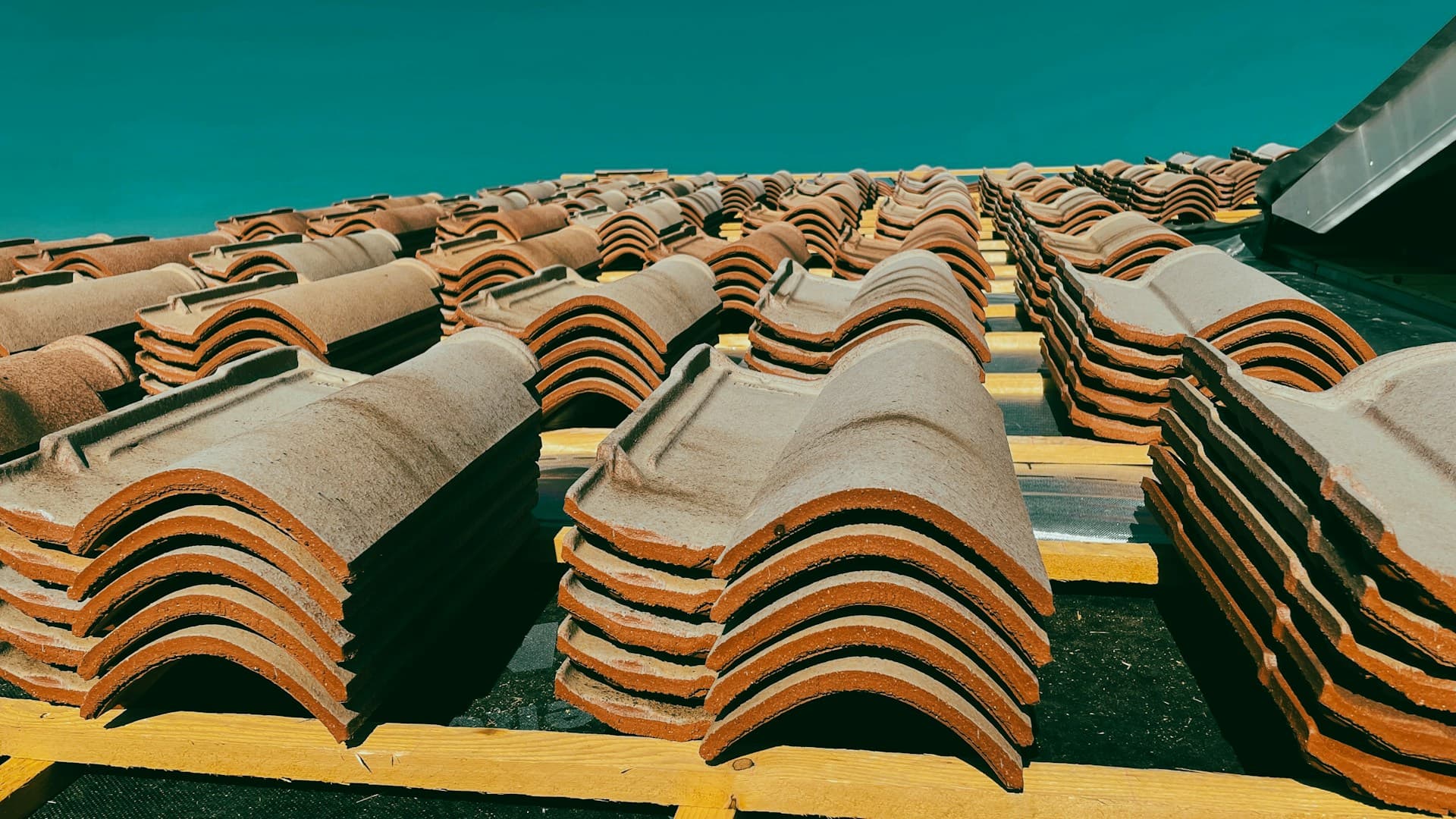
Roof Tile Repairs and Replacement
Repair and replacement of damaged, cracked, loose, or missing concrete or terracotta roof tiles on existing residential and commercial buildings, including re-bedding and pointing of ridge caps. Pre-filled hazards, controls, and risk ratings.
The thirty-minute roof repair is the highest-fatality scenario in Australian roofing. A solo tradesperson with a ladder, a couple of replacement tiles and no scaffold setup arrives to fix a leak after a storm, climbs onto a roof they've never seen, and falls from height with no harness, no rescue plan, and no second pair of eyes on the ground. Insurer claims data on roof falls is dominated by exactly this pattern. The Model Code of Practice on Managing the Risk of Falls in Housing Construction sets the rule clearly: physical fall prevention or fall arrest applies the moment the worker is more than 2 metres up, regardless of how short the job is.
What makes repair work harder than installation is that the existing roof is an unknown. Pre-1990 buildings can carry asbestos sarking, asbestos cement tiles, and asbestos sheet around chimneys; mesothelioma latency is long, and the small repair job is exactly where awareness lapses. The Model Code of Practice on How to Safely Remove Asbestos governs the response when ACM is suspected — stop, assess, and bring in a competent person before disturbing anything. Deteriorated battens, broken tiles next to the work area, and fragile polycarbonate skylights add the fall-through hazard even where the edge is protected.
Solar PV is the modern complication. DC strings sit at hundreds of volts whenever they're exposed to daylight; grid isolation does not de-energise them at the panels themselves, and an MC4 connector mated or unmated under load can sustain a DC arc that doesn't self-extinguish. Repair work on or near PV systems brings the AS/NZS 5033:2021 PV array installation standard into the planning, including covering arrays with opaque blankets to reduce voltage where the work approaches strings. Working at Heights under RIIWHS204E, a fall arrest harness to AS/NZS 1891.1:2020, asbestos awareness, and a current first aid are the day-rate cost of doing this work safely. The thirty-minute job is a four-hour job once the controls are real.
What's In Your SWMS
15 Hazards & Controls
Fatal injury, spinal cord injury, traumatic brain injury, multiple fractures
Assess whether repair can be completed from EWP without roof access. Use drones for initial inspection.
Perform minor repairs using long-handled tools from EWP where possible
Establish exclusion zones at ground level below work area with barricade tape and signage. Notify building occupants.
- Install temporary edge protection compliant with AS/NZS 4994.1 and 4994.2 before roof access for extended work
- Use travel restraint system connected to existing permanent roof anchors where available
- Ensure guardrail height minimum 900mm above roof surface
- Scaffold to provide safe access where ladder access is inadequate
- Complete pre-start safety briefing covering fall hazards specific to existing roof
- Assess roof condition from ground level before access (use binoculars/camera)
- No roof access until edge protection inspection confirmed (for extended work)
- Work in pairs with visual contact maintained
- No work in wet conditions, frost, or winds exceeding 40km/h
- Limit work duration on roof - plan work to minimise time at height
Full body harness connected to certified anchor points when edge protection not installed, when installing/dismantling edge protection, or on steep pitches
22-Step Work Procedure
Equipment & PPE
Equipment (15)
- Extension ladder (industrial rated)
Extends minimum 1m above landing point, rated for worker weight plus materials
- Roof ladder/crawl boards
Essential for safe movement on existing tile roofs to prevent tile breakage
- Temporary roof edge protection system
Compliant with AS/NZS 4994.1 and AS/NZS 4994.2 - required for extended repair work
- Fall arrest anchor points, harness, and lanyard
Certified anchor points compliant with AS/NZS 5532 or existing permanent roof anchors
- Wet tile cutter/angle grinder with water attachment
Electric with water suppression system for silica control. Battery-powered preferred on roof.
- Flat pry bar/tile lifter
For lifting adjacent tiles to access damaged tiles without causing further damage
- Hand tools (hammer, chisel, tape measure, chalk line, tile nippers)
Tethered when working at heights to prevent dropped objects
- Roofing cement/silicone sealant
Weather-resistant adhesive for securing replacement tiles and sealing minor cracks
- Bedding mortar and pointing compound
For re-bedding and pointing ridge caps and hip tiles
- Replacement tiles (matching existing profile and colour)
Confirm tile type and profile before commencing work. Source matching tiles where possible.
- First aid kit
Fully stocked, accessible at ground level
- Fire extinguisher
Dry chemical type, located at work area entry
- Water supply/containers
For wet cutting operations and worker hydration
- Tarpaulin/temporary weatherproofing
To provide temporary weather protection if work cannot be completed same day
- Debris container/skip
For safe disposal of broken tiles - separate container if asbestos suspected
PPE (12)
- Hard hat with brim attachmentAS/NZS 1801
Wide brim attachment for sun protection when working on exposed roofs
- Safety boots with non-slip soleAS/NZS 2210.3
Steel cap, soft rubber non-slip sole essential for grip on tile surfaces
- Safety glasses/gogglesAS/NZS 1337.1
Category O for UV protection. Sealed goggles when cutting tiles.
- High visibility vest/shirtAS/NZS 4602.1
Class D/N for day and night visibility
- Work glovesAS/NZS 2161.1
Cut-resistant for handling broken tiles and sharp edges
- Full body fall arrest harnessAS/NZS 1891.1
Required when edge protection not in place or working on steep pitches. Pre-use inspection required.
- Lanyard with shock absorberAS/NZS 1891.1
Twin-tail lanyard recommended for continuous connection during movement
- P2/N95 respiratorAS/NZS 1716
Silica-rated, required during all tile cutting operations. P3 if asbestos suspected.
- Hearing protection (earmuffs or plugs)AS/NZS 1270
Required during tile cutting with power tools
- Sunscreen SPF 50+
Broad spectrum, water resistant, reapply every 2 hours
- Long-sleeved shirt and long pants
UPF 50+ rated preferred for UV protection. Lightweight breathable fabric.
- Knee pads
For kneeling on tiles during repair work - reduces pressure on existing tiles
Training & Emergency
Competency Requirements
- Construction Induction (White Card)training
Required for all workers on construction sites
- Work Safely at Heights (RIIWHS204E)training
Required for all workers accessing roof. Refresher recommended every 2 years.
- Harness and Fall Arrest User Trainingtraining
All workers using fall arrest systems must be trained in correct use, inspection, and rescue
- Asbestos Awareness Trainingtraining
Required for work on buildings constructed before 1990. Mandatory for all roof repair workers.
- Silica Awareness Trainingtraining
Required for workers involved in tile cutting operations
- First Aid Certificate
At least one person on site should hold current certificate (HLTAID011 or equivalent)
- Scaffolding Licence (Basic)
Required if erecting scaffold where fall risk >4m
- Elevated Work Platform Licence
Required if using boom lifts (WP class) or scissor lifts >11m
Emergency Procedures
FALL FROM HEIGHT RESCUE: Call 000 immediately. Do NOT move injured person unless in immediate danger. If worker suspended in harness, initiate rescue within 15 minutes to prevent suspension trauma. Maintain communication with casualty. Keep warm and monitor breathing.
SUSPENDED WORKER RESCUE: Time critical - rescue must occur within 15 minutes. Use pre-planned rescue method (ladder rescue, rescue descent device). Once rescued, place the worker in a flat / supine position (or recovery position if unconscious and breathing) per ANZCOR Guideline 9.1.5. Earlier advice to keep the rescued worker in a W-position to prevent orthostatic shock has been retracted as it lacks evidence and may be harmful. Seek medical attention even if the worker appears uninjured.
ASBESTOS DISTURBANCE: If asbestos-containing material is accidentally disturbed: STOP all work immediately. Leave the area. Do not attempt to clean up. Wet the material if safe to do so. Seal off the area. Contact supervisor and licensed asbestos removalist. Anyone potentially exposed should record details for health monitoring.
SILICA DUST EXPOSURE: If worker experiences coughing, difficulty breathing, or chest tightness during or after tile cutting, move to fresh air immediately. If symptoms persist, seek medical attention and inform doctor of silica exposure.
HEAT ILLNESS: Move worker to shade immediately, apply cool water to skin, provide cool water to drink (if conscious). If confusion, vomiting, or unconsciousness occurs, call 000 immediately - this is heat stroke.
ELECTRICAL CONTACT: Do NOT touch the victim if they are still in contact with electrical source. Call 000 and the electricity supply authority. Only approach when confirmed isolated. If solar PV - note panels may still be live.
Everything above, included in your SWMS document.
Get This TemplateWriting a SWMS from scratch?
That's 2-4 hours of research, formatting, and cross-referencing regulations.
We've done the starting work — pick your template, add your details, review.
Or just do this:
- Unlimited documents
- All 70+ templates
- Instant PDF & DOCX
- Cancel anytime
High-Risk Construction Work Categories
Under Australian WHS Regulations (Part 6.4 - High Risk Construction Work (Section 291) or Part 5.1 Construction (VIC); Chapter 8 - Asbestos), this work is classified as high-risk due to:
- Work at height (>2m) with risk of fall (Primary hazard - all roof tile repair work involves working at heights greater than 2 metres with fall risk over roof edge and through fragile or damaged roof surfaces)
- Use of powered mobile plant (Tile cutting equipment (angle grinder, wet saw) and potential use of EWPs for access on repair work)
- Work on/near energised electrical installations (Proximity to overhead service lines, roof-mounted electrical equipment (solar PV systems), and potential for contact with building electrical systems during repairs)
- Work involving asbestos removal (Buildings constructed or renovated before 1990 may contain asbestos-cement roof tiles, ridge caps, or underlays that could be disturbed during repair work)
Australian Standards Referenced
National Guidance Documents
- Safe Work Australia - Code of Practice: Managing the risk of falls at workplaces
- Safe Work Australia - Code of Practice: How to manage and control asbestos in the workplace
- Safe Work Australia - Code of Practice: How to safely remove asbestos
- Safe Work Australia - Guide for managing the risks of working in heat
- Safe Work Australia - Code of Practice: Construction work
- Safe Work Australia - Information Sheet: Safe work on roofs
Who Needs This SWMS?
This template is designed for the following trades and roles performing roof tile repairs and replacement work.
Frequently Asked Questions
Do I need a SWMS for minor roof tile repairs?
Yes. Any construction work involving a risk of falling more than 2 metres (3 metres in SA, 3 metres for housing construction in QLD) is classified as high-risk construction work requiring a SWMS. Most roof repair work involves heights greater than 2 metres. The scope of repair (whether replacing 1 tile or 50 tiles) does not change this requirement.
What fall protection is required for roof tile repairs?
For brief, localised repairs, a travel restraint system connected to certified anchor points may be sufficient. For extended repair work covering larger areas, temporary edge protection compliant with AS/NZS 4994.1 and 4994.2 should be installed. Full body harnesses connected to anchor points (AS/NZS 5532) are required when installing/dismantling edge protection, working on steep pitches (>25 degrees), or when edge protection is not practicable.
How do I know if the roof tiles contain asbestos?
If the building was constructed or renovated before 1990, asbestos-containing materials (including tiles, ridge caps, and underlays) may be present. You cannot identify asbestos by visual inspection alone - laboratory testing is required for confirmation. For pre-1990 buildings where asbestos status is unknown, either arrange testing by a competent assessor or assume asbestos is present and take appropriate precautions (do not cut, drill, or break tiles).
What should I do if I discover asbestos during roof repairs?
Stop work immediately and leave the area. Do not attempt to clean up. Wet the disturbed material if safe to do so. Seal off the area and prevent others from entering. Contact your supervisor and arrange for a licensed asbestos removalist. Anyone potentially exposed should record the incident for health monitoring purposes. In most states, removal of more than 10m² of non-friable asbestos requires a licensed removalist.
Can I walk directly on existing roof tiles during repairs?
No. Always use roof ladders or crawl boards to distribute your weight and prevent tile breakage. When you must step on tiles, step only on the lower third of the tile (directly over the batten) where it has the most support. Never step on the centre of a tile. Test tile stability before placing full weight. Existing tiles may be loose, cracked, or weakened by age.
What training do roof repair workers need?
All workers require a Construction Induction Card (White Card) and Working at Heights training (RIIWHS204E). Workers using fall arrest harnesses need harness user training including rescue procedures. Asbestos Awareness training is mandatory for work on pre-1990 buildings. Workers cutting tiles need Silica Awareness training. In Victoria, refresher training is recommended every 2 years.
What is the height threshold for SWMS in South Australia?
In South Australia, high-risk construction work requiring a SWMS currently involves a risk of falling more than 3 metres, higher than most other states (2 metres). However, from 1 July 2026, SA will align with national model regulations and the threshold will change to 2 metres. Regardless of the SWMS threshold, fall protection must still be provided for any work where there is a risk of falling, based on risk assessment.
What are the Queensland-specific requirements for roof repair work?
Queensland operates under the Work Health and Safety Regulation 2011. For housing construction specifically, fall prevention/arrest controls are mandatory for falls of 3 metres or more, but for falls between 2-3m a risk assessment must still be conducted. Construction work over 2m is still classified as high-risk requiring a SWMS. Before roof work, inspect for fragile surfaces, ensure adequate edge protection, and have a documented rescue plan if using harness systems.
What precautions are needed when working near solar panels?
Solar PV systems generate electricity whenever exposed to light. Before working near solar panels: isolate the system at both the inverter AND the DC isolator, verify isolation, and never touch panels or DC cables (they may still be live in daylight even when "isolated"). Maintain at least 1 metre clearance from all solar components. Do not step on or place materials on solar panels. If panels need to be removed, this should be done by a licensed electrician.
How do I control silica dust when cutting replacement tiles?
Wet cutting is mandatory - dry cutting is not permitted. Set up a dedicated cutting station at ground level, away from other workers and building occupants, positioned downwind. Use continuous water suppression to the blade. Workers must wear P2/N95 respirators during all cutting operations. Clean up using wet methods only - never dry sweep. Use manual tile nippers for small cuts where possible to avoid generating dust.
Get Your Roof Tile Repairs and Replacement SWMS
Pre-filled. Risk-rated. Ready in 5 minutes.
Get Your SWMS PDFNo credit card required. First SWMS is free.
