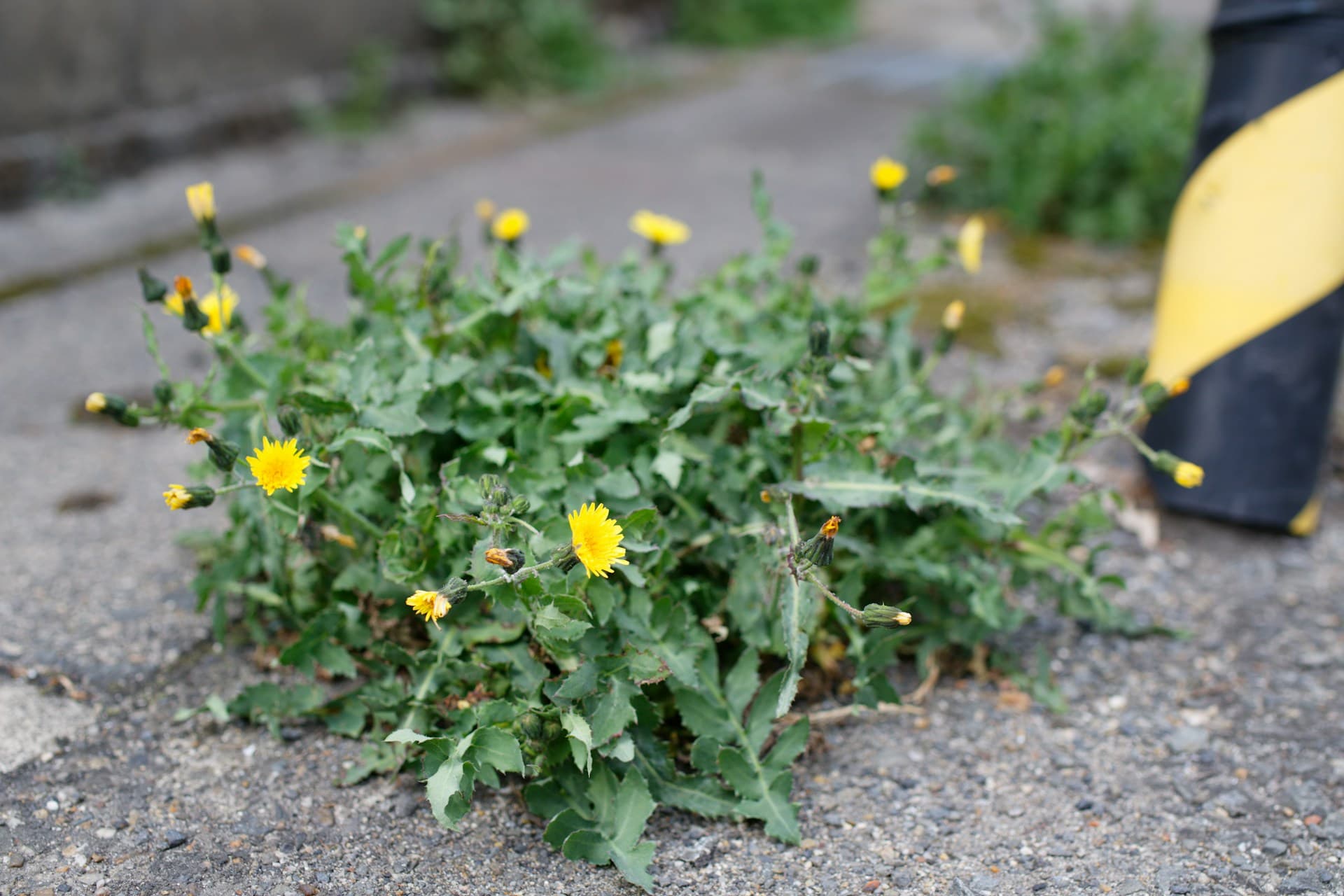
Weed Spraying and Herbicide Application
Application of herbicides and chemical weed control products using backpack sprayers, hand wands, vehicle-mounted spray rigs, granular spreaders, and wick/wipe applicators. Covers the critical chemical handling hazards of herbicide exposure through skin absorption (primary route of occupational exposure), inhalation of spray mist and aerosol droplets, and eye contact during mixing, loading, and application. Common herbicides include glyphosate (IARC Group 2A — "probably carcinogenic to humans"; Australian APVMA maintains safe use position when label directions followed), paraquat (Schedule 7 Dangerous Poison — no antidote, restricted to licensed operators), phenoxy herbicides (2,4-D, MCPA, dicamba, triclopyr — volatile with significant spray drift risk), and residual herbicides (metsulfuron-methyl, pendimethalin). Also covers spray drift contamination of non-target areas, waterways, food gardens, and neighbouring properties; manual handling of backpack sprayers (15–22 kg when full) and chemical drums; mixing and loading concentrated chemicals (highest-risk phase for handler exposure); UV/heat exposure during outdoor application; slip/trip hazards on sprayed surfaces; and vehicle/traffic hazards during roadside spraying. All chemicals must be APVMA-registered and handled in compliance with Safety Data Sheets per WHS Regulation Part 7.1. State-specific licensing required in all jurisdictions. Pre-filled hazards, controls, and risk ratings.
Skin absorption is the primary occupational route for herbicide exposure, and the highest-exposure phase is mixing and loading concentrate, not the spraying itself. A licensed applicator wearing nitrile gloves to AS/NZS 2161.3:2020, chemical-resistant coveralls, splash goggles and a half-face A1P2 respirator picks up most of their dose during the 30 seconds it takes to pour and stir — and the operator who skips the goggles because "it's only a quick mix" gets a splash to the face that doesn't appear in the daily exposure log but does appear in their bloodwork. The Model Code of Practice on Managing Risks of Hazardous Chemicals in the Workplace covers the broader frame.
Drift is the legal exposure that turns a clean spray into a council inquiry. Temperature inversions (typically 1.5 hours before sunset to 1.5 hours after sunrise) carry fine droplets kilometres from the application site, and the APVMA spray drift guidance prohibits spraying under inversion conditions on most labels. Wind between 3 and 20 km/h, away from sensitive areas, with drift-reducing air-induction nozzles producing COARSE or VERY COARSE droplets, plus an anemometer reading recorded in the spray log, are the controls APVMA expects on every application.
Specific products carry their own profile. Paraquat is a Schedule 7 dangerous poison with no antidote, fatal in small ingested quantities, and licensed-applicator-only across all states. Glyphosate carries an IARC Group 2A "probably carcinogenic" classification while the APVMA position is "safe per label" — minimising personal exposure remains prudent regardless of where the regulator sits. Decanting concentrate into an unmarked bottle is the leading cause of accidental ingestion incidents (often by family members reaching into a shed), and original APVMA-labelled containers are the only legal carrier. State applicator licensing — NSW Ground Applicator, Vic ACUP, Qld Commercial Operator, WA Pest Management Technician — White Card on construction sites, AHCCHM307 chemicals unit and current first aid form the qualifications brought to the job.
What's In Your SWMS
7 Hazards & Controls
Acute: skin irritation and chemical dermatitis, eye damage (potentially permanent from concentrated products), respiratory irritation, nausea, headache, dizziness. Paraquat ingestion: multi-organ failure and death (no antidote). Chronic: increased risk of non-Hodgkin lymphoma (glyphosate), endocrine disruption, respiratory sensitisation, potential reproductive effects.
Use non-chemical weed control methods where practicable: manual removal, mulching, steam weeding, thermal (flame) weeding, solarisation. These eliminate herbicide exposure entirely.
Use lowest-toxicity product effective for the target weed (e.g. Schedule 5 instead of Schedule 6 or 7). Use ready-to-use pre-mixed products to eliminate concentrated chemical handling. Substitute paraquat with less toxic alternatives where efficacy allows. Use wick/wipe application instead of spray to minimise mist generation.
Designate chemical mixing area away from other workers, food, and water. Mix and load in well-ventilated area, preferably outdoors. Keep all chemical containers sealed when not actively dispensing. Restrict access to spray area during and immediately after application.
- Closed transfer systems for decanting concentrated chemicals (reduces splash and fume exposure)
- Drift-reducing nozzles (air-induction/venturi type) producing COARSE or VERY COARSE droplets
- Chemical-resistant bunding under mixing area to contain spills
- Eye wash station (minimum 500 mL) accessible within 10 seconds of mixing area
- Vehicle cab filtration system if spraying from enclosed cab
- Graduated measuring equipment with pour spouts for accurate dosing
- Safety Data Sheet (SDS) for every product on site — legal requirement. Read BEFORE handling
- Follow label directions EXACTLY — legal requirement under APVMA registration conditions
- Chemical handling training completed by all workers before handling any herbicide
- Mix and load in well-ventilated area; position with wind at back during mixing
- Wash hands BEFORE eating, drinking, smoking, or using toilet — even if gloves were worn
- Shower and change clothing as soon as practicable after spraying
- Launder contaminated clothing separately from household clothing
- Never eat, drink, or smoke while handling herbicides
- Maintain chemical register of all products used — accessible to all workers
- Health monitoring for workers with regular herbicide exposure
Chemical-resistant gloves (check SDS for material); chemical splash goggles for mixing/loading; safety glasses for application; respirator (P2 minimum, half-face with A1P2 for concentrates); chemical-resistant coveralls; enclosed chemical-resistant footwear
9-Step Work Procedure
Equipment & PPE
Equipment (9)
- Backpack sprayer — manual pump or motorised
Capacity typically 16–20 L (15–22 kg when full). Check seals, valves, hose connections, and nozzle before use. Ensure pressure relief valve functional. Calibrate spray output before application. Manual pump: check pump mechanism. Motorised: check engine, fuel, and exhaust system. Clean thoroughly after use — residual chemical can damage next crop/area if different product used.
- Hand wand / spot spray gun
Trigger-operated spray lance for targeted weed treatment. Adjustable nozzle for spray pattern (fan, cone, stream). Check connections for leaks before use. Ensure trigger shut-off is functional. Use flat fan nozzle for drift reduction.
- Spray tank and mixing equipment
Dedicated mixing tank for herbicide preparation. Graduated measuring jugs for accurate chemical dosing — use dedicated measuring equipment for each product type. Chemical-resistant materials. Rinse tank and equipment after each use. Triple-rinse procedure before changing products.
- Spray nozzles, filters, and calibration equipment
Use drift-reducing nozzles (air-induction / venturi type) producing COARSE or VERY COARSE droplets — NEVER fine spray. Check nozzle wear — worn nozzles increase flow rate and produce smaller drift-prone droplets. Carry spare nozzles. Clean filters regularly. Calibrate spray output per hectare before each application.
- Herbicide products in original labelled containers
ALL products must be APVMA-registered with current labels and Safety Data Sheets. Never decant into unmarked containers. Check product expiry date. Ensure containers are undamaged and sealed. Carry only required quantities to job site. Transport in bunded trays in ventilated vehicle area — NEVER in passenger compartment.
- Chemical spill kit
Absorbent granules or pads, drain covers, heavy-duty waste bags, broom and dustpan, decontamination solution. Kit accessible at mixing area and in spray vehicle. Adequate for containing spill of largest single container carried.
- Clean water supply for mixing, decontamination, and emergency eye wash
Minimum 20 L clean water carried in service vehicle for emergency decontamination. Separate from spray tank water. Eye wash station (minimum 500 mL sterile eye wash) immediately accessible at mixing area. Soap for hand and skin washing after chemical handling.
- First aid kit with chemical exposure items
Stocked and checked. Must include eye wash (minimum 500 mL, preferably 1 L), chemical burn dressings, saline solution, disposable gloves, and laminated SDS summary cards for all products carried. Poisons Information Centre number (13 11 26) displayed prominently.
- Weather monitoring equipment — wind meter (anemometer) and thermometer
Hand-held anemometer to measure wind speed and direction at application height. Thermometer for ambient temperature. Most herbicide labels specify application conditions: wind speed 3–20 km/h, not during temperature inversions, not within 1.5 hours of sunset/sunrise (inversion risk). Record weather conditions before and during application.
PPE (6)
- Chemical-resistant gloves — nitrile or PVCAS/NZS 2161.10.1:2024
Nitrile minimum for routine spray application. PVC or neoprene gauntlet-style for concentrated chemical mixing and loading. Check SDS for specific glove material compatibility. AS/NZS 2161.10.1:2024 covers chemical/microorganism protection (aligned to ISO 374-1:2024); AS/NZS 2161.1:2016 covers general selection/use. AS/NZS 2161.3:2020 (mechanical risks) is NOT the chemical-resistance part. Replace immediately if torn. Change gloves between handling different chemical types. Wash hands BEFORE removing gloves (prevents contamination transfer).
- Chemical splash goggles or safety glasses with face shieldAS/NZS 1337.1:2010
Chemical splash goggles mandatory during mixing, loading, and pouring concentrated chemicals. Safety glasses with side shields minimum during spray application. Full face shield when handling concentrated acids, paraquat, or Schedule 7 products. Must seal against face for chemical splash protection.
- Chemical-resistant coveralls or spray suit
Long-sleeved and long-legged coveralls that repel chemical spray. Cotton drill minimum for general herbicide spraying. Chemical-resistant overalls (Tychem or similar) for concentrated chemical handling and Schedule 7 products. Coveralls worn OVER regular clothing. Change if contaminated. Launder separately from household clothing.
- Chemical-resistant enclosed footwear — gumboots or safety bootsAS/NZS 2210.3:2019
PVC gumboots for areas with wet/sprayed vegetation and chemical mixing. Chemical-resistant safety boots with non-slip sole for general application. Enclosed footwear mandatory — no open-toed shoes, sandals, or canvas footwear. Trouser legs worn OVER boot tops to prevent chemical running into boots.
- Respirator — P2 dust mask or half-face with chemical cartridgeAS/NZS 1716:2012
P2 disposable respirator minimum for general outdoor herbicide spraying in well-ventilated conditions. Half-face respirator with organic vapour/particulate combination cartridge (Type A1P2) for mixing concentrated chemicals, spraying in enclosed/sheltered areas, or if chemical odour detected through P2 mask. Full-face respirator for paraquat or Schedule 7 products. Check SDS for specific respiratory protection requirements.
- Sun protection — SPF 50+ sunscreen, hat, long sleeves
SPF 50+ broad-spectrum sunscreen applied under coveralls to exposed skin. Broad-brimmed hat compatible with respirator. Sunscreen applied 20 minutes before outdoor work, reapply every 2 hours. UPF-rated clothing where coveralls are not chemical-rated.
Training & Emergency
Competency Requirements
- Chemical Application Competency / ChemCert AQF3certificate
AHCCHM307 — Prepare and apply chemicals to control pest, weeds and diseases (or equivalent). ChemCert AQF3 accreditation covers all required units. Mandatory for licensed herbicide applicators in NSW, VIC, QLD. Training covers chemical identification, application methods, safety procedures, SDS interpretation, environmental protection, and record keeping. Available through ChemCert (chemcert.com.au) and other accredited RTOs.
- State Herbicide/Pesticide Applicator Licencelicence
Required in all states for commercial herbicide application (spraying for fee/reward). NSW: Ground Applicator Licence (5 years) via EPA. VIC: Agricultural Chemical User Permit (ACUP, 10 years). QLD: ACDC/Commercial Operator Licence via Biosecurity QLD. WA: Pest Management Technician Licence via Dept Health. SA: Chemical applicator licence via PIRSA. TAS: Certificate of Competency via NRE. NT: Ground spray applicator licence. ACT: Environmental Authorization. Check specific state requirements — licence types vary.
- First Aid Certificatecertificate
HLTAID011 — At least one worker must hold current certificate. Critical for chemical exposure response, including decontamination procedures and emergency Poisons Centre contact.
- Schedule 7 Dangerous Poison Authorisation
Required ONLY for handling Schedule 7 products (e.g. paraquat). Specific authorisation from state authority required in addition to standard applicator licence. Restricted to licensed, trained operators only. Additional PPE and handling requirements apply.
- General Construction Induction (White Card)
CPCCWHS1001 — Required if weed spraying is conducted on active construction sites.
- Traffic Management / Traffic Controller Ticket
Required if performing roadside spraying where traffic control is needed. RIIWHS205E — Control traffic with stop-slow bat. Required for workers directing traffic around spray operations on roads.
Emergency Procedures
HERBICIDE INGESTION (ESPECIALLY PARAQUAT): This is a MEDICAL EMERGENCY — paraquat has NO ANTIDOTE and is fatal in small quantities. Call 000 IMMEDIATELY. Call Poisons Information Centre: 13 11 26. Do NOT induce vomiting. If conscious: rinse mouth with water, give small sips of water to dilute. If unconscious: place in recovery position, ensure airway clear, prepare for CPR. Provide product name, active ingredient, and estimated quantity to paramedics. Transport SDS with patient.
SKIN CONTAMINATION: Remove contaminated clothing immediately. Flush affected skin with copious running water for minimum 15 minutes. Use soap and water if available. Do NOT scrub or abrade skin (increases absorption). Call Poisons Information Centre 13 11 26 for advice if large area or concentrated product. Seek medical attention for persistent irritation, chemical burns, or paraquat exposure.
EYE CONTACT: Irrigate IMMEDIATELY with eye wash or clean running water for minimum 15 minutes. Hold eyelids open during flushing. Remove contact lenses if present. Do NOT rub eyes. Call 000 for concentrated product splash. Seek urgent medical/ophthalmology assessment. Provide SDS to treating doctor.
INHALATION (SPRAY MIST OR FUMES): Move to fresh air immediately. Remove contaminated clothing. Rest in comfortable position. If breathing difficulty persists: call 000. Call Poisons Information Centre 13 11 26. Monitor for delayed symptoms — pulmonary effects can develop hours after inhalation exposure.
CHEMICAL SPILL: Contain with absorbent material (granules, sand). Do NOT wash into stormwater drains or waterways. Absorb liquid, sweep up, place in hazardous waste container. For large spills (>10 L): call 000, evacuate area, notify EPA. Provide SDS to emergency responders. Decontaminate spill site with water and detergent after absorbent removal.
SPRAY DRIFT INCIDENT: Stop spraying immediately. Assess extent of drift. If people exposed: initiate medical response (000, Poisons Centre 13 11 26). Notify affected property owners. Document: weather conditions, product used, spray settings, photos of affected area. Report to supervisor, APVMA, and state EPA if significant off-target damage or waterway contamination.
Everything above, included in your SWMS document.
Get This TemplateWriting a SWMS from scratch?
That's 2-4 hours of research, formatting, and cross-referencing regulations.
We've done the starting work — pick your template, add your details, review.
Or just do this:
- Unlimited documents
- All 70+ templates
- Instant PDF & DOCX
- Cancel anytime
High-Risk Construction Work Categories
Under Australian WHS Regulations (WHS Regulation Part 7.1 — Hazardous Chemicals; Agvet Code — APVMA registration and label compliance; State pesticide/herbicide Acts), this work is classified as high-risk due to:
- Work with, or near, substances that may be harmful to health (Herbicides include Schedule 5, 6, and 7 poisons with varying toxicity levels. Paraquat is a Schedule 7 Dangerous Poison with no antidote. Glyphosate is classified IARC Group 2A (probably carcinogenic). Phenoxy herbicides (2,4-D, MCPA) are volatile and present drift and inhalation hazards. All workers handling herbicides require chemical handling training and appropriate PPE. Safety Data Sheets mandatory for all products.)
- Work on/near traffic or adjacent to road (Applicable for roadside weed spraying, median strip treatment, council verge maintenance, and right-of-way spraying. Traffic management plan required when work encroaches on road reserve. Vehicle-mounted spray rigs operating on or adjacent to roadways.)
Australian Standards Referenced
National Guidance Documents
- Safe Work Australia — Model Code of Practice: Managing Risks of Hazardous Chemicals in the Workplace
- APVMA — Spray Drift Management Guidelines
- APVMA — Glyphosate Regulatory Position
- Safe Work Australia — Workplace Exposure Standards for Airborne Contaminants
- ChemCert — State-Specific Legislation for Agricultural Chemical Use
Who Needs This SWMS?
This template is designed for the following trades and roles performing weed spraying and herbicide application work.
Frequently Asked Questions
Do I need a licence to spray herbicides commercially in Australia?
Yes. Every Australian state and territory requires licensing for commercial herbicide application (spraying for fee or reward). The specific licence type varies: NSW requires a Ground Applicator Licence (5 years) from the EPA, based on ChemCert AQF3 training. Victoria uses an Agricultural Chemical User Permit (ACUP, 10 years) from Agriculture Victoria. Queensland requires an ACDC or Commercial Operator Licence from Biosecurity Queensland. WA requires a Pest Management Technician Licence from the Department of Health. Similar requirements exist in SA, TAS, NT, and ACT. The base training in most states is ChemCert AQF3 accreditation, which includes the unit of competency AHCCHM307 — Prepare and apply chemicals to control pest, weeds and diseases. Spraying without a valid licence is illegal and carries significant penalties.
Is glyphosate (Roundup) safe to use in Australia?
The International Agency for Research on Cancer (IARC) classified glyphosate as Group 2A — "probably carcinogenic to humans" in March 2015, based on limited evidence of positive association with non-Hodgkin lymphoma. However, the Australian Pesticides and Veterinary Medicines Authority (APVMA) reviewed the IARC evidence and concluded that glyphosate does not pose a carcinogenic or genotoxic risk to humans when used in accordance with label directions. Glyphosate products remain registered for use in Australia. The key safety requirements are: follow label directions exactly, wear PPE as specified on the label and SDS (minimum: gloves, safety glasses, long sleeves), avoid skin contact and inhalation of spray mist, and wash hands thoroughly after use. Regardless of the regulatory position, minimising personal exposure through correct PPE and application technique is always prudent.
What are the risks of spraying during a temperature inversion?
Temperature inversions are the single greatest spray drift risk factor. During an inversion, a layer of warm air sits above cooler air near the ground, creating a stable atmosphere that prevents spray droplets from dispersing upward. Instead, fine droplets remain suspended near ground level and can be carried laterally for kilometres by gentle air movement — far beyond the target area. Inversions typically occur from about 1.5 hours before sunset to 1.5 hours after sunrise, and are most common on calm, clear nights. Signs of an inversion include: very calm air (wind speed below 3 km/h), dew forming on surfaces, ground-level fog or mist, smoke or dust hanging close to the ground instead of rising, and unusual odours carrying long distances. Most herbicide labels now prohibit spraying during temperature inversions. If conditions suggest an inversion, do NOT spray — wait until the inversion lifts (usually indicated by rising air temperature and increasing wind activity).
What PPE is required for herbicide spraying?
Minimum PPE varies by product and activity. For routine spray application: chemical-resistant gloves (nitrile minimum, check SDS for material), safety glasses with side shields, chemical-resistant coveralls (long sleeves and legs), enclosed chemical-resistant footwear (gumboots or safety boots), P2 respirator (minimum for outdoor spraying), and sun protection. For mixing and loading concentrated chemicals: upgrade to chemical splash goggles (sealed), PVC or neoprene gauntlet gloves, chemical-resistant apron, and half-face respirator with organic vapour/particulate cartridge (Type A1P2). For Schedule 7 products (paraquat): full-face respirator, full chemical-resistant suit, sealed goggles, and gauntlet gloves. Always check the specific product SDS and label — some products have additional PPE requirements. Remember: wash hands BEFORE removing gloves, and launder contaminated clothing separately from household washing.
What should I do if herbicide is accidentally ingested?
Herbicide ingestion is a medical emergency, particularly for paraquat (Schedule 7 Dangerous Poison — no antidote exists, lethal in small quantities). Immediate actions: Call 000 for ambulance AND call Poisons Information Centre on 13 11 26 (available 24 hours). Do NOT induce vomiting. If the person is conscious and able to swallow: rinse mouth with water and give small sips of water to dilute. If unconscious: place in recovery position, ensure airway is clear, and prepare for CPR. Provide the paramedics with: the exact product name and active ingredient, estimated quantity ingested, time of ingestion, and the Safety Data Sheet. Transport the product container and SDS with the patient to hospital. For paraquat ingestion specifically: even small amounts can cause fatal multi-organ failure — immediate emergency department treatment is critical. Time is the most important factor — do not wait for symptoms to develop before calling emergency services.
How do I manage spray drift when spraying near neighbouring properties?
Spray drift management is a legal requirement under APVMA registration conditions and state EPA regulations. Key controls: check wind speed is between 3–20 km/h and blowing AWAY from sensitive areas (use an anemometer). Use drift-reducing nozzles (air-induction/venturi type) producing COARSE or VERY COARSE droplets — fine spray drifts much further. Keep boom height as low as practicable (within 50 cm of target for boom sprayers). Do not spray during temperature inversions (typically 1.5 hours before sunset to 1.5 hours after sunrise). Maintain label-specified buffer zones from property boundaries, waterways, and sensitive areas. Notify downwind neighbours before broadacre spraying. Record weather conditions before and during every application. If drift occurs: stop spraying immediately, notify affected property owners, document conditions, and report to your supervisor and state EPA if damage is suspected. Use wick/wipe application or shielded sprayers adjacent to sensitive boundaries for zero-drift application.
Get Your Weed Spraying and Herbicide Application SWMS
Pre-filled. Risk-rated. Ready in 5 minutes.
Get Your SWMS PDFNo credit card required. First SWMS is free.
