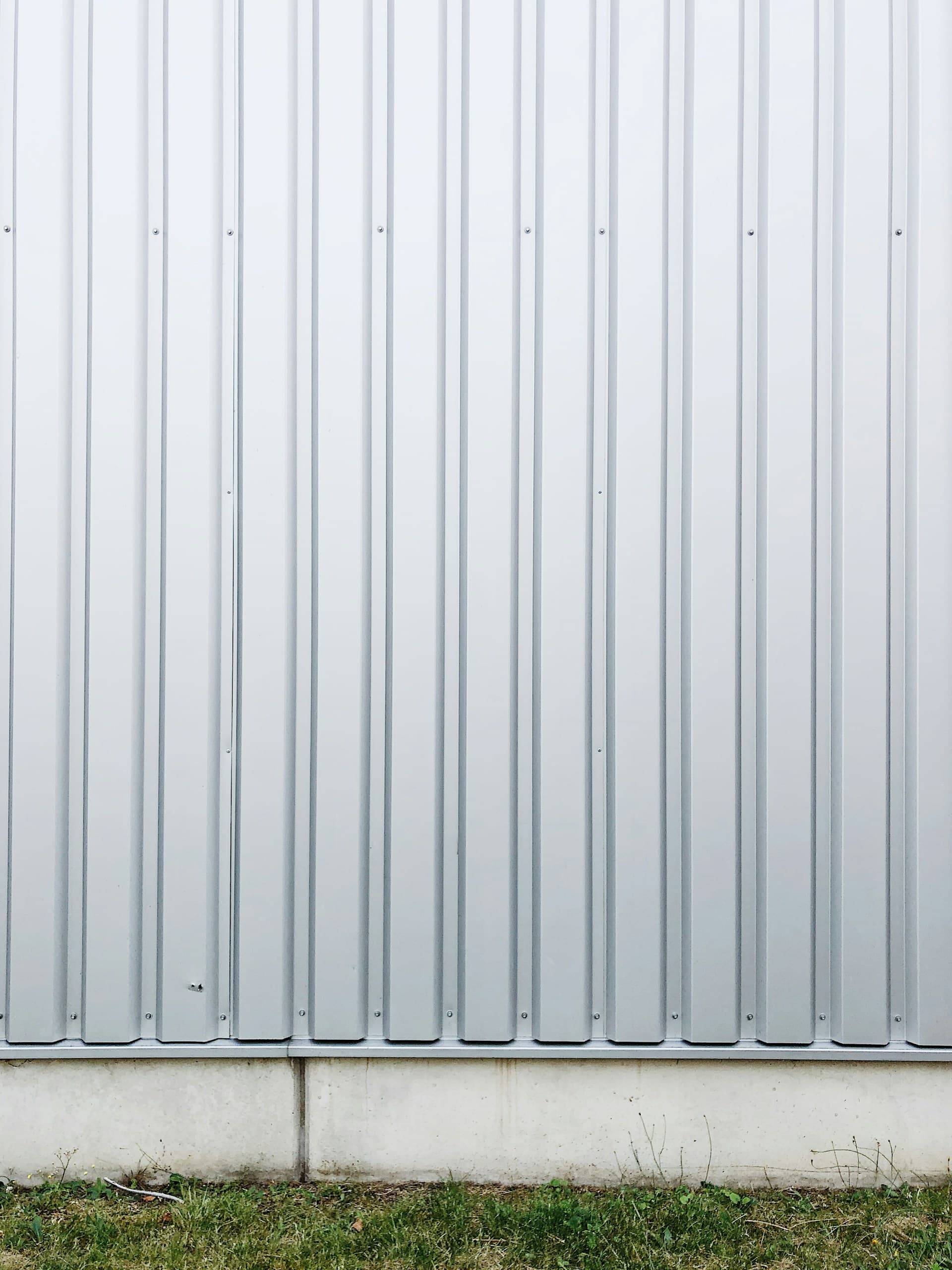
Colorbond Fence Installation
Installation of steel Colorbond fencing including site set-out, post hole digging, concrete footings, post and rail installation, and sheet fixing. Covers residential and commercial boundary fencing — prefinished sheet steel to AS/NZS 2728:2013 and galvanised steel posts/rails to AS/NZS 4792:2006 (R2017). Pool-boundary work additionally governed by AS 1926.1:2024. Pre-filled hazards, controls, and risk ratings.
Colorbond fence installation runs along the boundary of a property where comms, gas and water services frequently sit just below the lawn. The single most-skipped step is two-stage service verification: a BYDA enquiry plus a CAT-and-Genny scan over each post hole before the auger goes in. BYDA plans alone miss recently-added or undocumented services, and a strike on a Telstra or NBN duct is the call-out that makes the morning expensive. The Model Code of Practice on Excavation Work treats hand-dig in the top 500mm as the working control where service location is uncertain.
The hazard fencers underestimate is the cut edge. A sheet of cut Colorbond, a snip end on a rail or a screw head still proud of capping all draw blood through generic riggers' gloves; A4-rated cut-resistant gloves to AS/NZS 2161.3:2020 are the right glove for this trade. Eye protection during angle-grinder cuts handles the spark and metal-fragment column; a fire extinguisher within five metres of any grinding handles the dry-grass ignition risk in summer.
Pool-boundary work flips this from a fencing job into a pool-safety job. AS 1926.1:2024 governs pool safety barriers — gap dimensions (no opening admitting a 100mm sphere), climbable surfaces, gate self-closing and self-latching, latch heights — and councils inspect this work at handover. Wet concrete during footing pours runs at pH 12-13 and burns through wet clothing; alkali-resistant gloves and prompt skin flushing on splash. White Card, fencing experience, BYDA awareness and angle grinder competency cover the operator side. Two-stage location, A4 gloves, AS 1926.1 if there's a pool — three checks the morning is built around.
What's In Your SWMS
7 Hazards & Controls
Electrocution, gas explosion, flooding, service disruption, prosecution
Adjust post locations to avoid known service routes where possible
Use driven posts or surface-mounted brackets in high-risk service areas
Establish exclusion zone (minimum 300mm) around located services
- Use non-conductive hand tools for digging within 500mm of marked services
- Obtain Before You Dig Australia (BYDA) plans before any excavation
- Use electronic service locator (CAT scanner) to verify service locations
- Pothole by hand near marked services - no mechanical digging within 500mm
- Complete BYDA enquiry minimum 2 business days before work
- Mark all service locations on ground with paint before digging
- Brief all workers on service locations and emergency procedures
- Stop work immediately if unexpected service encountered
- Keep BYDA plans on site at all times
Safety boots (non-conductive soles recommended), safety glasses, work gloves
21-Step Work Procedure
Equipment & PPE
Equipment (11)
- Post hole digger (manual or powered auger)
Manual for residential, powered earth auger for commercial or hard ground
- String line and marking paint
For fence line set-out and post positioning
- Spirit level (1200mm+)
For plumbing posts vertically
- Tape measure (30m)
For measuring post spacing (typically 2400mm centres)
- Concrete mixer or wheelbarrow
For mixing concrete footings - wheelbarrow for small jobs
- Shovels, crowbar, and hand tools
For excavation and material handling
- Power drill with metal bits and screw driver
For fixing sheets to rails with self-drilling screws
- Angle grinder with cutting disc
For cutting posts, rails, and sheets to length. Metal cutting disc required.
- Temporary bracing and clamps
To hold posts plumb while concrete sets
- Fire extinguisher (if using grinder)
ABE type, for spark-related fires during cutting
- First aid kit
Include wound dressings for cuts, eye wash, and burn treatment
PPE (7)
- Safety glassesAS/NZS 1337.1:2010
Essential - metal particles, concrete dust, grinding sparks
- Cut-resistant gloves (A4 rating minimum)AS/NZS 2161.3:2020 (mechanical risks)
Essential for handling Colorbond sheets - sharp edges cause severe lacerations. Also consider AS/NZS 2161.10.1:2024-rated chemical gloves when handling wet concrete for footings (pH 12-13).
- Safety boots (steel cap)AS 2210.3:2019
Steel cap and puncture-resistant sole for dropped materials and nails. Note: AS 2210.3 is now AS-only (Australia-only re-designation from former joint AS/NZS).
- Safety helmetAS/NZS 1801:2024
Required when operating near mobile plant or on construction sites
- High-visibility vest/shirtAS 4602.1:2024
Required on construction sites and when working near traffic. Note: AS 4602.1 is now AS-only; material performance is AS/NZS 1906.4:2023.
- Hearing protectionAS/NZS 1270:2002
Required when using powered auger, angle grinder, or concrete mixer
- Sun protection (hat, sunscreen, long sleeves)AS/NZS 4399:2020 (sun protective clothing UPF rating)
SPF 30+ sunscreen, wide brim hat, long sleeves for extended outdoor work. UPF-rated long sleeves to AS/NZS 4399:2020 recommended.
Training & Emergency
Competency Requirements
- Construction Induction Card (White Card)training
CPCCWHS1001 - Prepare to work safely in the construction industry. Required for all workers on construction sites.
- Fencing Installation Experience/Trainingcertificate
Demonstrated competency in fence installation methods and material handling
- Before You Dig Australia (BYDA) Awarenesstraining
Understanding of BYDA process, plan interpretation, and safe digging near services
- Power Tool Competency (Angle Grinder)certificate
Safe operation of angle grinder and power drill
- Underground Service Locator Competency
Operation of electronic pipe and cable locator (CAT scanner)
- Powered Earth Auger Competency
Required if using powered post hole digger
- Traffic Control Training
Required if work affects public roads or requires traffic management
- First Aid Certificate (HLTAID011)
HLTAID011 - Provide First Aid (3-year currency). Recommended for at least one team member on site.
Emergency Procedures
UNDERGROUND SERVICE STRIKE (Electricity): Do not touch equipment or worker if in contact with cable. Call 000 and power distributor emergency line. Keep others 8m away. If safe, isolate power at property switchboard.
UNDERGROUND SERVICE STRIKE (Gas): Evacuate area immediately. Do not operate any electrical switches. Call 000 and gas emergency line (1800 GAS LEAK / 1800 427 532). Do not attempt to stop leak.
UNDERGROUND SERVICE STRIKE (Water): Attempt to isolate at property meter if safe. Call water authority. Prevent excavation flooding.
SEVERE LACERATION: Apply direct pressure with clean dressing. Elevate limb if possible. Call 000 for deep cuts with significant bleeding or tendon damage.
HEAT STROKE: Call 000 immediately. Move person to cool area. Remove excess clothing. Cool with water. Do not give fluids if unconscious.
Everything above, included in your SWMS document.
Get This TemplateWriting a SWMS from scratch?
That's 2-4 hours of research, formatting, and cross-referencing regulations.
We've done the starting work — pick your template, add your details, review.
Or just do this:
- Unlimited documents
- All 70+ templates
- Instant PDF & DOCX
- Cancel anytime
High-Risk Construction Work Categories
Under Australian WHS Regulations (WHS Reg Chapter 6 Part 6.1 - Construction work; Reg 291 - High Risk Construction Work; Chapter 6 Part 6.3 - Excavation work (Reg 304-307); Chapter 4 Part 4.1 - Noise (Reg 56-58); Chapter 4 Part 4.2 - Hazardous Manual Tasks (Reg 60); Chapter 7 Part 7.1 - Hazardous Chemicals (wet cement)), this work is classified as high-risk due to:
- Excavation work (post holes) (Post hole digging typically 600-800mm deep. Risk of striking underground services (electricity, gas, water, telecommunications))
- Work near underground electric or gas infrastructure (Before You Dig Australia (BYDA) enquiry mandatory before any excavation to identify underground services)
- Work near powered mobile plant (If using powered post hole digger, excavator, or bobcat for post hole excavation)
Australian Standards Referenced
Who Needs This SWMS?
This template is designed for the following trades and roles performing colorbond fence installation work.
Frequently Asked Questions
Do I need a SWMS for fence installation?
Yes, if the fence installation involves excavation near underground services (electricity, gas, water, telecommunications), it is classified as high-risk construction work under WHS Regulation 2017. A SWMS must be prepared before work commences.
What is Before You Dig Australia (BYDA) and is it mandatory?
Before You Dig Australia (BYDA) is a free national referral service that provides information about the location of underground pipes and cables. While legally mandatory only in NSW, it is required under WHS Codes of Practice in all states before any excavation work. Failure to check can result in prosecution if services are struck.
How deep should fence post holes be?
Standard residential fence post holes are typically 600-800mm deep and 200-250mm in diameter. Gate posts and posts in high-wind areas may require deeper holes (750-900mm). The general rule is one-third of the total post length should be below ground.
What PPE is required for colorbond fence installation?
Essential PPE includes cut-resistant gloves (A4 rating minimum) for handling sheets, safety glasses, safety boots with steel caps, hearing protection when using power tools, and sun protection for outdoor work. A hard hat and hi-vis vest are required on construction sites.
How close can I dig to underground services?
Mechanical digging (powered auger, excavator) must not occur within 500mm of marked underground services. Within this zone, only careful hand digging with non-conductive tools is permitted. An exclusion zone of 300mm directly around services should be maintained.
What qualifications do I need to install colorbond fencing?
No specific licence is required for fence installation in most states. However, a White Card (Construction Induction Card) is required on construction sites. Competency in power tool operation, understanding of BYDA requirements, and experience in fence installation methods is essential.
How long should concrete footings cure before installing rails?
Concrete footings should cure for minimum 24-48 hours before installing rails and sheets. In cold weather or for heavy-duty installations, 72 hours is recommended. Rapid-set post concrete may allow faster installation (typically 20-30 minutes).
What are the main hazards in colorbond fence installation?
Key hazards include striking underground services during post hole digging, severe lacerations from sharp sheet edges, manual handling injuries from lifting posts and sheets, power tool injuries from angle grinders, concrete burns, and UV/heat exposure during outdoor work.
Get Your Colorbond Fence Installation SWMS
Pre-filled. Risk-rated. Ready in 5 minutes.
Get Your SWMS PDFNo credit card required. First SWMS is free.
