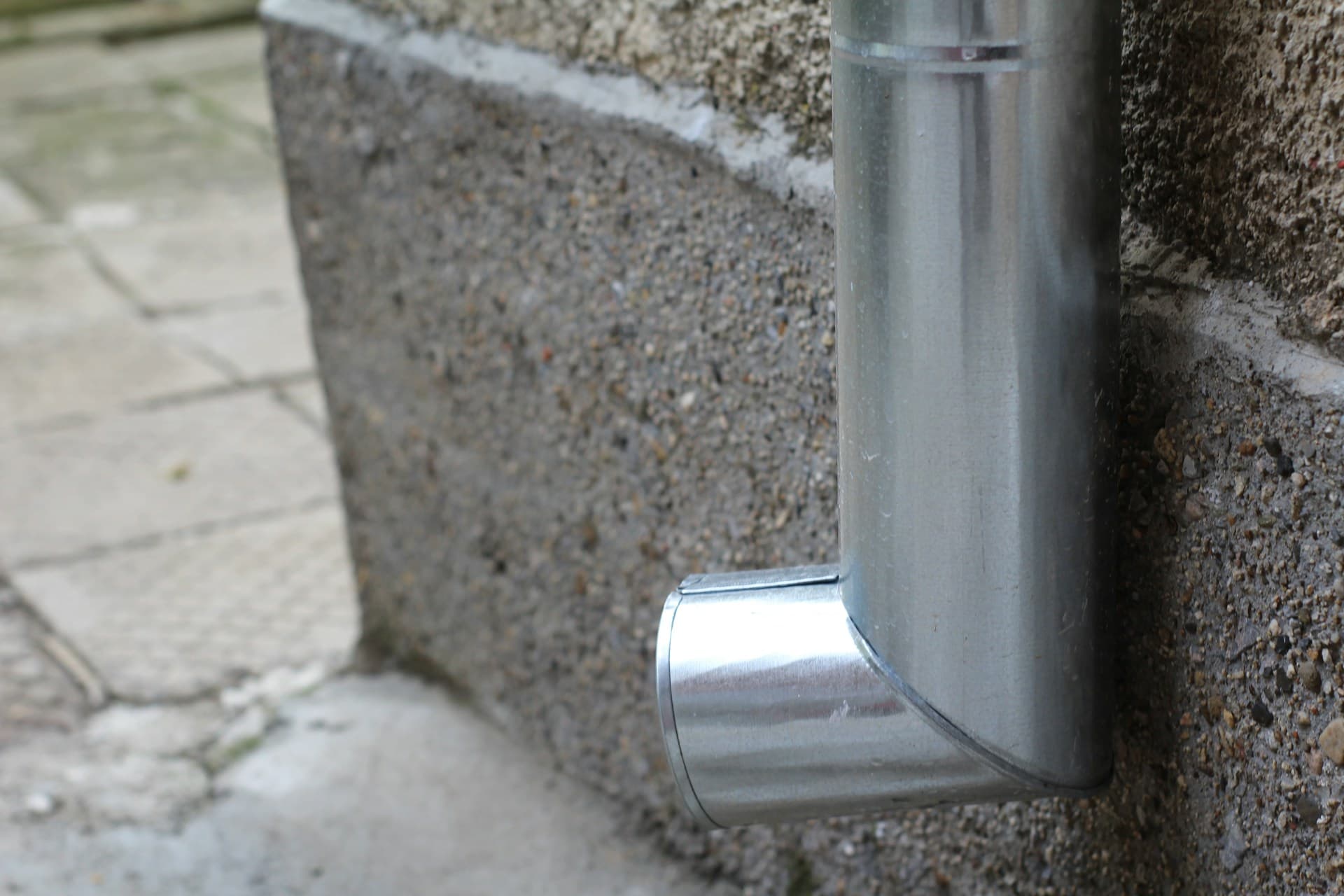
Stormwater Installation
Installation of stormwater drainage systems for residential and commercial properties. Covers downpipe connections from gutters, underground stormwater pipe laying (PVC 90mm-225mm), stormwater pit/grate construction, absorption trenches, soakaway pits, charged stormwater systems, connection to council stormwater mains, on-site detention (OSD) systems, and rainwater tank overflow connections. Includes trenching, PVC solvent cement pipe joining, pit construction, bedding and backfill, pipe testing, and surface reinstatement. Stormwater is separate from sanitary drainage with different pipe sizes, depths, materials, and regulatory requirements (AS/NZS 3500.3). Pre-filled hazards, controls, and risk ratings.
A council drainage inspector signing off a residential stormwater install starts at the connection point, not the trench. Stormwater and sanitary drainage have to stay separate under AS/NZS 3500.3:2025 — downpipes connecting into sanitary lines is one of the most common breaches the inspector finds, often the work of a renovator or DIYer extending a downpipe into the closest available pipe under the slab. That one connection contaminates waterways, breaches the Plumbing Code of Australia, and tips the whole system into a re-do at the homeowner's cost.
The hydrostatic test before backfill is the second item on the inspector's list. AS/NZS 3500.3 calls for the line to be pressurised and held without a meaningful drop; trenches backfilled before that test get reopened, gravel and pipe and all, when the test fails on the second visit. The fall on a stormwater run is the third — laid by laser level on a pipe laser, verified before backfill, and easily wrong by enough centimetres over a long run that the line ponds at the low point and breeds mosquitoes.
Around those three sign-off items, the work that gets to them carries the trade's standard hazard profile, heavier on this trade because trenches reach deeper than a general drainage run and the council connection point usually sits in road reserve or kerbside. PVC solvent cement (MEK at 150 ppm TWA, THF) gets jointed at ground level, never down a deep trench where the vapours pool. Concrete cutting at pit openings or driveway tie-ins runs respirable crystalline silica into the breathing zone at the 0.05 mg/m³ workplace exposure standard, and wet cutting on the saw is the practical control. BYDA referrals, AS 4744.1:2025 - Steel shoring and trench lining - Design (supersedes AS 4744.1-2000) trench shoring, RIIMPO320F for excavator operation, RIIMPO318F for bobcat work, confined-space entry where a pit clears 1.5m, and the state stormwater or full plumbing licence (Victoria and ACT typically require the full ticket) hold up the operator side. The job clears when the inspector signs the test sheet — that signature is the deliverable.
What's In Your SWMS
7 Hazards & Controls
Crush injuries and burial, asphyxiation from soil in airway, spinal injuries, internal organ damage, death
Avoid deep trenching by using surface drainage channels or gravity drains wherever practical. Use directional drilling or jetting to avoid manual trenching for deep lines.
Substitute deep trenching with shallower stormwater systems (swales, surface drains) where site conditions allow. Use precast pit chambers instead of hand-digging deep pits.
Cordon off trench with temporary fencing. Post "Trench Hazard" signs. Keep pedestrians and unauthorised workers away from trench area.
- Trench sloping (45-60 degree angle) for trenches < 1.5m - removes need for shoring
- Adjustable aluminium or steel shoring frames for trenches > 1.5m - tested and certified
- Steel trench boxes for trenches > 1.5m - prefabricated shield prevents collapse
- Trench inspection daily before work commences - check for cracks, water seepage, loose soil
- Avoid overfilling trench edges with spoil (adds weight pressure)
- Provide safe ingress/egress (ladder or ramp) - do NOT jump in/out of trenches
- Shoring must extend minimum 300mm above ground level for safety
- Competent person to assess trench stability before worker entry
- Trenches deeper than 1.5m require formal shoring plan and certification
- Daily trench inspection report - document soil conditions, water, visible cracks
- Maximum 4-hour work period in deep trenches - rotate workers to surface periodically
- No lone work in trenches - minimum 2 workers present
- No propping of trenches with timber alone - must be engineered shoring
- Excavator bucket never positioned above working trenches
- Slow trenching progress - do not rush. Monitor soil as you dig.
- If unexpected underground obstruction encountered (rock, old pipes, concrete) - do not force digging. Reassess with competent person.
- Heavy rain forecast - do not dig deep trenches (water weakens soil)
Hard hat, high-visibility vest, safety boots. Not a substitute for engineering controls.
18-Step Work Procedure
Equipment & PPE
Equipment (14)
- Mini excavator (1.5-3 tonne)
For residential trenching. Operator must have license (RIIWHS200C Dozer or equivalent). Daily safety check of bucket, hydraulics, stability on slopes. Keep pedestrians 5m away from operation zone. Never position bucket above worker.
- Bobcat skid-steer or similar compact loader
Alternative for wide access. 50+ tonne potential if tipped - use only on stable ground. Operator spotters required. No riders on equipment. Noise exceeds 85 dB(A) - hearing protection mandatory. RollOver Protective Structure (ROPS) must be intact.
- Laser level or pipe laser
For setting correct pipe fall (typically 1:100 for stormwater). Laser receiver on staff measures grade. Ensure correct pipe slope - inadequate fall causes pooling; excessive fall causes scour. Battery check before each use.
- Pipe laser (self-leveling trenching laser)
Projects laser line along trench to establish and maintain correct pipe gradient. Critical for stormwater function. Operates in daylight with receiver probe. Battery-powered, requires daily charging. Protect from water during rain.
- PVC pipe cutter (ratchet or circular saw)
Ratchet cutter for 90mm-150mm PVC. Circular saw with fine-tooth blade for larger diameters. Cut squarely perpendicular to pipe - angled cuts prevent socket seating. Measure twice, cut once. Deburr cut edges.
- PVC solvent cement and primer (MEK/THF based)
Essential for PVC joint assembly. MEK (methyl ethyl ketone) and THF (tetrahydrofuran) are volatile organic compounds - highly toxic. Accumulate in trenches. Fume extraction required in enclosed spaces. SDS mandatory. One-year shelf life - check expiry. Do not use near ignition sources.
- Concrete mixer (for pit bedding and cap)
Petrol or electric powered. 120-180 litre capacity typical. Produce bedding mortar (3:1 sand:cement) and concrete for pit cap. Hot surfaces during operation - burn hazard. Keep clear of rotating drum.
- Stormwater pit grates and covers
Plastic or steel grates/covers for aesthetic finish and safety (prevent trip/fall hazard). Some are removable for access, others fixed. Ensure correct grate loading rating for location (pedestrian vs vehicular access).
- Bedding gravel and sand
20kg bags of washed sand and 10mm gravel for pipe bedding. Stormwater pipes typically bed on 100mm gravel with 150mm gravel surround before backfill. Prevents pipe settlement and reduces stress on joints. Calculate volume before ordering.
- Plate compactor (vibrating or jumping type)
For compacting backfill to prevent future subsidence. Vibrating plate for fine soil, jumping plate for coarse. Operator must maintain control - can jump unpredictably. Noise exceeds 95 dB(A) - hearing protection mandatory. Operating temperature 40°C+.
- Trench shoring, sloping, or shielding (if depth > 1.5m)
For trenches deeper than 1.5m. Options: (1) Sloping 45 degrees (requires wide trench); (2) Shoring with adjustable frames or timber; (3) Shielding with steel plates or trench boxes. Must be certified safe before worker entry. Competent person supervision mandatory.
- Before You Dig Australia (BYDA) service locates
Mandatory before any excavation. Call 1100 minimum 3 business days before digging. Service locates power, gas, water, telco, and sewer. Mark locate flags/paint on ground. Hand-dig within 1m of marked services. Failure to check = criminal liability + insurance void.
- Pipe testing equipment (drain testing plugs, water pump, pressure gauge)
For hydrostatic testing of new stormwater system (100kPa or per design). Inflatable bags/plugs seal pipe ends. Water pump pressurizes. Gauge monitors. Hold pressure for 5-10 minutes. Monitor for leaks at joints. AS/NZS 3500.3 requires testing before backfill.
- First aid kit
Wound dressings, antibiotic ointment, pain relief, sunscreen, insect repellent, eye wash, burn treatment cream. Stormwater work occurs outdoors - UV, insects, and minor cuts are common. Site first aider nominated.
PPE (9)
- Safety glasses (impact-rated)AS/NZS 1337.1:2010
MANDATORY. Protects eyes from flying debris during cutting, grinding, concrete mixing, and excavation. Impact-rated lenses. Recommended: side shields for added protection.
- Hard hat (safety helmet)AS/NZS 1801:2024
MANDATORY. Protects head from struck-by hazards (overhanging branches, excavator bucket, falling tools). Vented style for outdoor work. Replace after significant impact.
- High-visibility safety vestAS 4602.1:2024 (garments); AS/NZS 1906.4:2010 (retroreflective material specification)
MANDATORY. Worn when working near roadways or in work zones with traffic. Class D (day) or D/N (day/night) per AS 4602.1:2024 for stormwater work (often on street frontages). Note: AS/NZS 1906.4 covers the retroreflective material specification, but the garment cite is AS 4602.1:2024 (which uses Class D/N classifications, not Class 3). Reflective strips visible at night.
- Steel-capped safety boots (water-resistant)AS 2210.3:2019
MANDATORY. Steel cap protects against dropped tools and excavator bucket. Puncture-resistant sole for nails and sharp objects in soil. Water-resistant for wet trench work. Ankle support reduces injury.
- Work gloves (leather or synthetic)AS/NZS 2161.1:2016 (general); AS/NZS 2161.10.1:2024 (chemical protection - for PVC cement handling)
Protect hands from cuts, abrasions, concrete, and PVC cement exposure. Leather for general work, nitrile-coated for better grip in wet conditions. Do NOT wear if operating excavator (entanglement risk). Change if contaminated with solvent cement.
- Organic vapour respirator (Class A)AS/NZS 1716:2012 (device); AS/NZS 1715:2009 (selection/use/fit testing)
MANDATORY when using PVC solvent cement (MEK, THF). Activated carbon cartridge rated for organic vapours per AS/NZS 1716 cartridge classification (A/B/E/K/Hg for gases/vapours; P1/P2/P3 for particulates - NOT R-series which is U.S. NIOSH). Fit-tested per AS/NZS 1715:2009. Change cartridge if detecting odour. Not required in open-air work, only in trenches or enclosed spaces. Expires after 12 months from first use.
- P2 dust mask (particulate)AS/NZS 1716:2012 (device); AS/NZS 1715:2009 (selection/use)
Required for concrete cutting (silica dust), grinding, and soil disturbance in dusty conditions. From 1 September 2024, controlled processing is mandatory for all crystalline silica substance work (wet suppression, on-tool extraction, LEV, isolation, or enclosed cabin with HEPA - not just wet cutting). AS/NZS 1716 uses P1/P2/P3 classifications - "N95" is the U.S. NIOSH equivalent. Fit-tested for half-face models.
- Hearing protection (earmuffs or foam plugs)AS/NZS 1270:2002
MANDATORY when operating excavators, plate compactors, circular saws, or concrete mixers (all exceed 85 dB(A)). Class 5 (SLC80 ≥30 dB) minimum per AS/NZS 1270 SLC80 classification. Rotate between earmuffs and plugs daily to prevent ear irritation.
- Sun protection (hat, long-sleeved shirt, sunscreen)
Stormwater work is outdoor excavation - UV exposure is significant. Wide-brimmed hat (not hard hat alone). Light-coloured long sleeves reduce burn. SPF 50+ sunscreen reapplied every 2 hours or after sweating. Prevents skin cancer and heat stress.
Training & Emergency
Competency Requirements
- Construction Induction Card (White Card)training
Required for all workers on construction sites (includes residential new build properties with stormwater installation as part of project). CPCWHS1001 or equivalent.
- Plumbing Licence (Plumber or specialist Stormwater/Drainage)licence
Licensed plumber required in all Australian jurisdictions for stormwater installation work. Some states (QLD, NSW) offer specialist "Stormwater" or "Drainage" licences for workers performing only stormwater/drainage work (no sanitary plumbing). Apprentices must work under direct supervision of licensed plumber.
- Mobile Plant Operator Licence (Excavator)
If operating mini excavator (>1 tonne): RIIWHS200C Mobile Dozer Operation, or equivalent state licence. Mandatory for on-site operation. Hire operator if team not licensed.
- Rigging and Manual Handling Certification
Useful for managing pipe installation and heavy equipment handling safely. Covers two-person lifting, load planning, and correct technique. Recommended if crew performs regular stormwater installation.
- Trench Safety and Shoring Training
Training in trench stability assessment, shoring installation, and safe working in deep trenches. Essential if trenches exceed 1.5m (deep trench work). Covers soil classification, competent person role, and emergency procedures. Highly recommended for all team members.
- Concrete Cutting and Silica Dust Safety Training
Training in wet cutting, HEPA extraction, and silica exposure hazards. Mandatory since September 2024 for any concrete cutting work (even minor). Most efficient: hire licensed concrete cutting contractor to avoid exposure entirely.
- First Aid Certificate (HLTAID011)
Provide First Aid. Recommended for all stormwater teams given excavation hazards (crush, trench collapse, heat stress). First aider required on every work site.
- Confined Space Entry Training (if pit entry planned)
If deep stormwater pits (> 1.5m) require entry: RIIWHS202E or equivalent. Covers atmospheric testing, entry permits, rescue procedures. Required for team if pit entry unavoidable (though designer should minimize entry via access pits).
Emergency Procedures
TRENCH COLLAPSE: Evacuate all workers from trench immediately and move 10m upwind. Do NOT attempt manual rescue (secondary collapse risk). Call 000 and notify local authority. Wait for emergency rescue with heavy shoring/retrieval equipment. Secure trench edges to prevent further collapse. Do NOT re-enter until structural engineer approves.
ELECTRICAL SERVICE STRIKE: Turn off all equipment. Do NOT approach damaged line or affected worker. Evacuate 10m radius. Call 000 and electricity utility with service damage details. Wait for utility to de-energise line before approaching. If worker electrocuted: do NOT touch (live wire risk). Call 000 and await paramedics.
GAS SERVICE STRIKE: Turn off all equipment and hot work immediately. Evacuate 50m radius. Call 000 and gas utility. Move to upwind location if gas smell detected. Do NOT create spark (matches, cigarettes, equipment starting). Wait for gas utility to purge line.
WATER/SEWER MAIN STRIKE: Turn off main supply at property water shut-off. Call water utility and customer. Assess for secondary service damage. Do NOT resume excavation in damaged service zone until utility clearance obtained.
PVC CEMENT SPILL ON SKIN: Rinse immediately with clean water for 5+ minutes. Remove contaminated clothing. Wash with soap and water. If burning sensation persists > 30 minutes, seek medical attention. Do NOT apply organic solvents to counteract (will increase damage).
EQUIPMENT FUEL SPILL: Contain spill with absorbent material (sand, kitty litter). Do NOT hose spill (water spreads it). Place contaminated material in sealed container for disposal per environmental regulations. Report spill to environmental authority if large quantity (>100 litres).
CONCRETE CUTTING ACUTE SILICA EXPOSURE: Move worker to fresh air. Provide water. If respiratory symptoms (cough, shortness of breath) develop - seek medical attention and inform doctor of silica exposure. Chest X-ray baseline recommended.
Everything above, included in your SWMS document.
Get This TemplateWriting a SWMS from scratch?
That's 2-4 hours of research, formatting, and cross-referencing regulations.
We've done the starting work — pick your template, add your details, review.
Or just do this:
- Unlimited documents
- All 70+ templates
- Instant PDF & DOCX
- Cancel anytime
High-Risk Construction Work Categories
Under Australian WHS Regulations (Section 291 - High Risk Construction Work (trenches > 1.5m); Part 4.2 - Hazardous Manual Tasks; Part 4.3 - Confined Spaces; Part 4.5 - Plant and Structures), this work is classified as high-risk due to:
- Work in or near a trench exceeding 1.5 metres deep (Stormwater trenches for council main connections can exceed 1.5m depth. Shoring or sloping required. Soil weights ~1,600kg per cubic metre. Previously disturbed soil (new build sites) increases collapse risk. Competent person supervision required.)
- Work involving powered mobile plant (excavators, bobcats, compactors) (Mini excavators for trenching, plate compactors for backfill, concrete mixers for pit construction. Crush, rollover, entanglement risks. Operator licences and spotters required.)
- Work on or near energised electrical installations (Underground electrical services commonly encountered during excavation. Before You Dig Australia (BYDA) check mandatory. Electrical shock hazard if services struck.)
- Work in area with contaminated or flammable atmosphere (PVC solvent cement (MEK, THF) vapours heavier than air - accumulate in enclosed trenches. Workplace exposure standard: MEK 150 ppm TWA / 300 ppm STEL. Vapours ignitable - no hot work near cement use.)
Australian Standards Referenced
National Guidance Documents
- Safe Work Australia - Model Code of Practice: Trenching and Excavation
- Safe Work Australia - Model Code of Practice: Hazardous Manual Tasks
- Safe Work Australia - Model Code of Practice: Confined Spaces
- Safe Work Australia - Preventing Silica Dust Disease
- Plumbing Code of Australia (NCC Volume Three) - Drainage requirements
- Before You Dig Australia - Service Locating (1100)
Who Needs This SWMS?
This template is designed for the following trades and roles performing stormwater installation work.
Frequently Asked Questions
What is the difference between stormwater and sanitary drainage?
Stormwater and sanitary drainage are entirely separate systems: (1) STORMWATER carries rainwater from roofs, gutters, and paved areas. Pipes are typically larger (90-225mm) and shallower. Fall gradient typically 1:100. No treatment required. (2) SANITARY DRAINAGE carries wastewater from toilets, sinks, showers. Pipes typically smaller (40-100mm) and deeper. Requires ventilation and access pits. Both systems must be kept separate - connecting them causes cross-contamination and environmental pollution. AS/NZS 3500.3 covers stormwater specifically.
Why is Before You Dig Australia (BYDA) mandatory before excavation?
BYDA (1100) locates and marks all underground services before excavation: electrical (high voltage = electrocution hazard), gas (explosion risk), water mains, telecommunications, and wastewater. 20,000+ service strikes occur annually in Australia. Striking services causes: electrocution, gas explosion, water flooding, loss of utilities to neighbourhood, and massive liability claims. Calling 1100 is LEGALLY MANDATORY before any excavation. Service locators typically attend within 3-5 business days and mark services on ground with paint/flags. No excuse for striking services.
What is the correct pipe fall gradient for stormwater drainage?
Stormwater pipes typically require 1:100 fall (1m drop per 100m length). Minimum 1:200 in some configurations, maximum 1:50 to prevent scour. Too shallow (< 1:100): water pools, mosquito breeding, sediment accumulation, blockages. Too steep (> 1:50): velocity erodes pipe internal surface, creates noise, risks pipe jumping at changes of direction. Use laser level or pipe laser to set correct gradient before laying pipes. Measure gradient at 10m intervals to confirm accuracy. Incorrect gradient is leading cause of stormwater system failure.
Do I need a licence to install stormwater drainage in Australia?
Yes. Licensed plumber required in all Australian jurisdictions. Most states (NSW, QLD, WA, SA, TAS, NT) offer specialist "Stormwater" or "Drainage" licence for workers performing only stormwater/drainage work (no sanitary plumbing). Victoria and ACT may require full plumbing licence. Check with your state's plumbing regulator: SafeWork NSW, WorkSafe VIC, QBCC (QLD), etc. Apprentices must work under direct supervision of licensed tradesperson. Working without licence is illegal and insurance claim may be denied.
What is the minimum depth for stormwater trenches and when is shoring required?
Residential stormwater trenches typically 300-600mm deep (shallow). Commercial or council main connections can exceed 1.5m. For trenches DEEPER THAN 1.5 METRES: engineered shoring is MANDATORY. Options: (1) Sloping at 45-60 degrees (requires wide trench); (2) Adjustable aluminium/steel frames (most common); (3) Steel trench boxes. Shoring must be certified safe by competent person before worker entry. One cubic metre of soil weighs ~1,600kg - trench collapse is catastrophic. Previously disturbed soil (new build sites) is extra risk.
What safety precautions are required when using PVC solvent cement?
PVC solvent cement contains MEK and THF - toxic volatile organic compounds (workplace standard: MEK 150 ppm TWA). Hazards: (1) Vapours heavier than air - accumulate in trenches; (2) Vapours ignitable - no smoking/ignition sources; (3) Fumes cause dizziness, nausea, respiratory irritation. MANDATORY CONTROLS: (1) Perform cement joining in OPEN-AIR (never in trenches/pits); (2) Wear organic vapour respirator (Class A carbon cartridge) if any odour detected; (3) Do NOT use near enclosed spaces; (4) Check cement expiry (one-year shelf life); (5) Use per product instructions (do not exceed recommended amounts). If strong fumes detected - stop work, move to fresh air, ventilate area.
What is hydrostatic testing and why is it mandatory?
Hydrostatic testing is MANDATORY before backfill per AS/NZS 3500.3. Procedure: (1) Seal pipe ends with inflatable test plugs; (2) Fill system with water to 100kPa pressure (or per design); (3) Hold pressure for 10-15 minutes while monitoring with pressure gauge; (4) Acceptable: no visible leaks and pressure drop < 20kPa in 10 minutes. If test fails: leaking joint (typically solvent cement insufficiently cured). Do NOT backfill until test passes. Testing confirms system integrity before property damage occurs from leaks. Document test results on site for council approval.
When is concrete cutting required and what are the silica hazards?
Concrete cutting may be needed for pit openings or driveway/path modifications. SILICA HAZARD: Respirable crystalline silica (< 5 micrometres) is carcinogenic (IARC Group 1). Chronic exposure causes silicosis (lung fibrosis), lung cancer, COPD. Workplace exposure standard extremely low: 0.025 mg/m³. WET CUTTING MANDATORY SINCE SEPTEMBER 2024 (eliminates 99% of dust vs dry cutting). Procedure: Use wet-cut concrete saws with water recirculation system. P2 mask still recommended even for wet cutting. Best practice: HIRE LICENSED CONCRETE CUTTING CONTRACTOR to avoid any on-site exposure.
What is an on-site detention (OSD) system and why is it required?
On-site detention (OSD) systems are required in many councils for commercial and higher-density residential properties. OSD temporarily stores stormwater during heavy rain, releasing it slowly into council mains to prevent flooding. System includes: (1) Underground detention tank (concrete, plastic); (2) Pump or gravity outlet with flow control restrictor; (3) Overflow to secondary outlet. OSD design per council specifications and site conditions. Typical storage capacity 5-50 cubic metres. Installation includes: tank excavation/placement, pump installation, control settings, and safety access covers. More complex than simple gravity drainage - consult council on requirements before design.
What hazards are involved in deep stormwater pit construction?
Deep pits (> 1.5m) present CONFINED SPACE HAZARDS: (1) Trench collapse risk - soil weight ~1,600kg/m³; (2) Atmospheric hazards - oxygen depletion, hydrogen sulfide gas (from decomposing organics) toxic at 10+ ppm; (3) Water accumulation - drowning risk; (4) Restricted access/egress. MANDATORY CONTROLS: (1) Competent person stability assessment; (2) Engineered shoring or sloping; (3) 4-gas atmospheric monitoring before entry (H₂S, O₂, CH₄, CO); (4) Forced ventilation; (5) Formal entry permit; (6) Standby person at surface trained in rescue; (7) Rescue harness and retrieval rope. Best practice: use PRECAST concrete pit chambers (avoids hand construction and pit entry entirely).
What is the role of a competent person in trench work?
A "competent person" for trenching is someone with knowledge, experience, and authority to assess trench stability, identify hazards, and authorise safe working procedures. Role includes: (1) Daily pre-work trench inspection - assess soil type, cracks, water seepage; (2) Determine if shoring required (trenches > 1.5m ALWAYS require shoring); (3) Certify shoring is adequate before worker entry; (4) Monitor work and inspect shoring for movement; (5) Authorize worker entry/exit; (6) Respond to unexpected conditions (e.g., discovering underground obstruction or rock). Competent person must have training in soil classification, shoring requirements, and rescue procedures. Site supervisor, licensed plumber, or external consultant can fill this role - but must have documented competency.
Get Your Stormwater Installation SWMS
Pre-filled. Risk-rated. Ready in 5 minutes.
Get Your SWMS PDFNo credit card required. First SWMS is free.
